

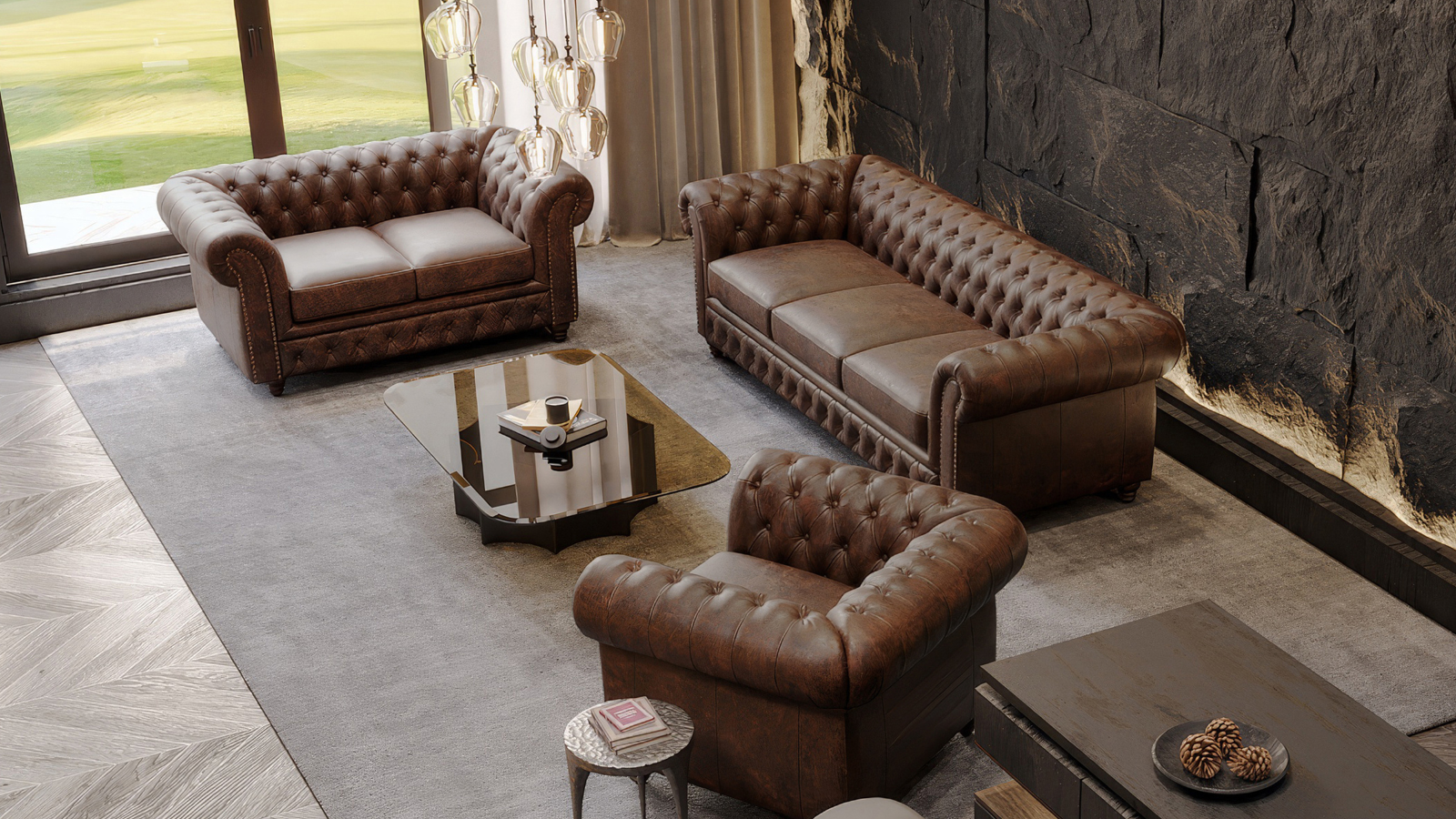
It's one of the most common questions in furniture shopping, and for good reason: fabric vs leather sofa is a decision that shapes how a room feels, how much upkeep you're signing up for, and how the piece will hold up over the years you own it. There's no universal right answer — it depends on your household, your style, and how the room actually gets used. Here's an honest, practical comparison to help you decide.
Comfort and Feel
Fabric sofas tend to win on immediate coziness. The texture is soft to the touch, breathable in warmer months, and often feels more casual and inviting right away — the kind of sofa you don't think twice about curling up on in whatever you're wearing.
Leather brings a different kind of comfort. It has a smooth, cool-to-the-touch feel initially that warms quickly with body heat, and it develops a natural patina over time — small creases and softening that give a well-loved leather sofa real character rather than looking simply "worn." Neither feel is objectively better; it's a matter of what you personally find comfortable to sink into at the end of the day.

The Rodin 91" Fabric Modern Sofa delivers the soft, breathable comfort that makes fabric the go-to choice for casual, everyday living rooms.
Maintenance: What Each Material Actually Asks of You
This is often where the fabric vs leather sofa decision really gets made, since it comes down to how much upkeep fits your lifestyle.
Fabric sofas can absorb spills and stains more readily than leather, which is worth knowing if you have young kids, pets, or you simply entertain a lot. That said, many modern fabric options come treated with stain-resistant finishes that make day-to-day spills far less stressful than they used to be — it's worth asking specifically about this when you shop.
Leather, by contrast, wipes clean with a damp cloth in seconds since it doesn't absorb liquid the way fabric does. The tradeoff is that leather needs occasional conditioning — roughly every 6 to 12 months — to stay supple and avoid cracking, along with a bit of care to keep it out of direct sunlight. If you're wondering how to clean a leather sofa day to day, the short answer is: wipe up spills immediately, dust regularly with a soft cloth, and skip harsh household cleaners in favor of products made specifically for leather.

The Maestro Leather Chaise Sectional Sofa offers the easy-wipe practicality of leather in a larger, family-friendly sectional footprint.
Aesthetic Appeal
Fabric offers the wider design playground. Color options, patterns, and textures give you far more room to match a specific palette or seasonal refresh — you can go bold with a jewel tone or keep it soft and neutral, and swapping out throw pillows or accessories lets you evolve the look over time without replacing the sofa itself.
Leather leans into a more timeless, polished aesthetic. It tends to photograph and read as more formal or sophisticated, and its neutral, classic tones (think cognac, espresso, black, or ivory) pair easily with almost any existing decor. If you want a sofa that anchors a room without needing to be restyled every season, leather is generally the lower-effort choice.
Environmental Considerations
Sustainability factors into this decision more than it used to, on both sides. Organic and recycled-content fabrics are increasingly available and worth asking about if this matters to you. Leather sourcing varies significantly by brand and supplier, so if ethical sourcing is a priority, it's worth asking direct questions about tanning processes and sourcing before you buy, rather than assuming either material is automatically the "greener" choice.
Affordability and Longevity
Fabric sofas often come in at a lower upfront price point, which makes them an easy entry choice — but high-traffic households may see visible wear, pilling, or fading sooner than they'd like, particularly on lighter colors or lower-density weaves.
Leather sofas typically cost more upfront, but a well-made one tends to outlast a comparable fabric sofa by a meaningful margin, especially in busy households with kids, pets, or frequent guests. When you factor in the cost per year of ownership rather than just the sticker price, leather often ends up being the more economical choice over the long run.
Frequently Asked Questions
Is fabric or leather more comfortable?
Neither is objectively better. Fabric is soft to the touch, breathable, and casual right away, while leather has a smooth, cool-to-the-touch feel that warms with body heat and develops a natural patina over time. It comes down to what you personally find comfortable to sink into.
Which is easier to maintain, fabric or leather?
Fabric can absorb spills and stains more readily, though many modern fabric options come treated with stain-resistant finishes. Leather wipes clean with a damp cloth in seconds since it doesn't absorb liquid, but it needs conditioning roughly every 6 to 12 months to stay supple and avoid cracking.
How do I clean a leather sofa?
Wipe up spills immediately, dust regularly with a soft cloth, condition every 6 to 12 months, keep it out of direct sunlight, and skip harsh household cleaners in favor of products made specifically for leather.
Which material lasts longer, fabric or leather?
Leather sofas typically cost more upfront, but a well-made one tends to outlast a comparable fabric sofa by a meaningful margin, especially in busy households with kids, pets, or frequent guests. When factoring in cost per year of ownership rather than sticker price, leather often ends up being the more economical long-term choice.
Shop This Post
So, Which Should You Choose?
If your household prioritizes softness, color flexibility, and a casual feel — and you don't mind a bit more care around stains — fabric is a great fit. If you want a sofa that wipes clean in seconds, ages with character instead of wear, and holds its resale and long-term value better, leather is worth the higher upfront investment. Either way, the best choice is the one that matches how your household actually lives day to day, not just how the sofa looks in a showroom.


