

Inspiration
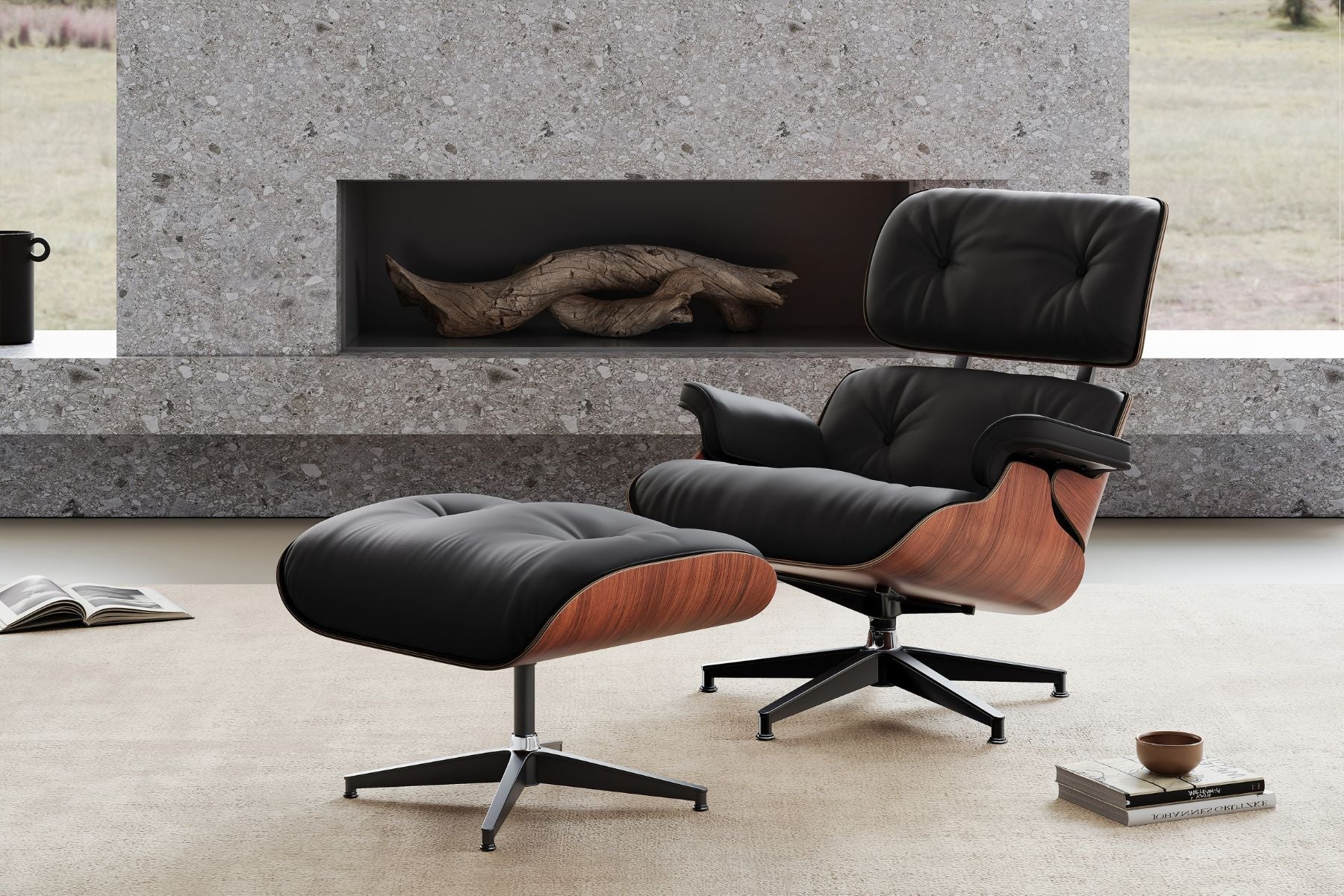

Leather Recliner Buying Guide: What to Know Before You Buy
A good recliner earns its place in a room by disappearing into daily life — it's where you land after work, where you read on a Sunday, where a nap happens without anyone planning it. Leather makes that piece last, and it makes it look intentional rather than like a concession to comfort. But "leather recliner" covers a wide range of construction, mechanisms, and price points, and the differences matter more here than on almost any other upholstered piece, because a recliner has moving parts that leather has to survive. This guide walks through what actually separates a recliner worth buying from one you'll regret in three years. Why Leather Quality Matters More on a Recliner Every recliner mechanism, whether manual or power, asks the upholstery to flex repeatedly at the same seams — across the back-to-seat junction, around the footrest, and at the arm panels. A sofa cushion gets sat on; a recliner's leather gets folded and unfolded, day after day, for years. That's the single biggest reason leather grade matters more here than on a stationary chair or sofa. Lower-grade leather, or leather that's been heavily corrected and coated to hide imperfections, tends to crack or peel at exactly those flex points first. Higher-grade leather with more of its natural grain intact keeps its flexibility over time because the fiber structure hasn't been sanded away and buried under a thick pigmented coating. When you're comparing recliners, ask what grade of leather is used and where it's applied — many brands use full leather only on the seating surfaces (seat, back, arms) and a leather-look vinyl or split leather on the back and sides, which is a reasonable cost-saving approach as long as it's disclosed, since those areas don't take the wear or the flexing that the seating surfaces do. Manual vs. Power Recline The most basic decision in any recliner purchase is mechanism type, and it affects price, ease of use, and long-term maintenance. Manual Recline A manual recliner uses a side handle, lever, or a push-back mechanism you activate with your body weight. There's nothing to plug in, nothing to charge, and nothing electronic to eventually need service. Manual mechanisms are mechanically simple, which generally makes them more affordable and, over a long ownership period, less likely to need a repair. The tradeoff is that reclining takes a bit more physical effort and the recline position is usually less finely adjustable — you get a few fixed positions rather than a continuous range. Power Recline A power recliner uses a motor to move the footrest and backrest, typically controlled with a button or small remote. Power mechanisms let you stop at any position along the recline range, which is a real comfort advantage, and many power recliners also lower the effort needed to get in and out of a fully reclined position, since you're not pushing against the mechanism yourself. The Ozanne Leather Power Recliner Chair is a straightforward example of a single-seat power recliner built for this kind of everyday use. Shown: Ozanne Leather Power Recliner Chair Power recliners need to be near an outlet (most use a standard plug, not a hardwired connection), and because they involve a motor and control unit, there's a bit more that could eventually need attention compared with a purely mechanical manual recliner. For most households, that tradeoff is well worth it for the convenience. Recliner Chair vs. Reclining Sofa or Sectional The other major decision is scale: do you want a single recliner chair, or a full reclining sofa (or sectional) where multiple seats each recline independently? A single recliner chair, like the Ozanne, works well as a dedicated spot — a reading chair, a chair paired with a console for gaming or TV, or an accent seat that doesn't need to match the rest of the room's seating exactly. It's also the more flexible purchase if you're not sure how a room's layout will evolve, since a single chair is easy to reposition or move to another room entirely. A reclining sofa, like the Bain Leather Power Reclining Sofa, extends the same idea across a full seating run, with each section able to recline on its own. That means multiple people can watch a movie, read, or relax at the same time, each in their own recline position, without needing separate chairs scattered around the room. It's the better choice for a primary living room or media room seating arrangement, especially for a household of more than one or two people. Shown: Bain Leather Power Reclining Sofa Reclining sectionals take this further, wrapping reclining seats around a corner to fill a larger room while still giving every seat its own recline function. The right choice comes down to room size and how many people regularly use the space at once. Sizing and Clearance: Wall-Hugger vs. Standard Mechanism One of the most overlooked parts of buying a recliner is what happens behind it when it opens. This is where the distinction between a "wall-hugger" (or wall-saver) mechanism and a standard mechanism becomes genuinely practical, not just a spec sheet detail. A standard recliner mechanism reclines by sliding the entire chair back on its base as the footrest extends and the back drops — the chair essentially moves backward into the room as it opens. That means a standard recliner needs several inches to a couple of feet of open space behind it, depending on the design, or it will strike the wall before it can fully recline. A wall-hugger mechanism is engineered differently: as the footrest extends, the seat itself slides slightly forward on the base rather than the whole chair moving backward, so the back of the chair stays close to the wall throughout the recline motion. This lets a wall-hugger recliner sit just a few inches from a wall and still fully recline, which is a meaningful advantage in smaller rooms, apartments, or any spot where the chair's back is close to a wall. Before buying any recliner, measure the actual space behind where it will sit, and check whether the mechanism is described as wall-hugger/wall-saver or standard. If you're working with a tight room, a wall-hugger design removes a common source of frustration after delivery. Swivel and Rocking Recliner Variants Beyond the basic recline function, many recliners add a secondary motion. A swivel recliner rotates on its base, which is useful in a room where the chair needs to face different directions at different times — toward a TV in the evening, toward a conversation area during the day. A rocking recliner (sometimes called a glider or rocker recliner) adds a gentle back-and-forth rocking motion independent of the recline function, which many people find soothing for everyday relaxing, not just for a nursery. Some recliners combine swivel, rocking, and reclining motion in a single chair. These are worth considering if you want the seat to do more than recline in place, though it's a preference rather than a requirement — plenty of households are perfectly happy with a chair that simply reclines. Caring for a Leather Recliner Leather recliner maintenance isn't complicated, but a little consistency goes a long way given how much flexing the material does. Dust and vacuum the seams and crevices around the recline mechanism periodically, since dirt trapped in a fold is what accelerates wear at exactly the point that's already under the most stress. Wipe the leather down with a soft, slightly damp cloth as needed, and use a leather conditioner every few months to keep the material supple — dry leather is what cracks, and conditioning is the simplest way to prevent that, especially near the flex points at the back-to-seat seam. Keep the chair out of direct, prolonged sunlight where possible, since UV exposure dries out and fades leather over time. And avoid placing the chair somewhere its motor cord will be under tension or crimped, since that's an easy way to create an electrical problem that has nothing to do with the leather itself. Frequently Asked Questions Is a power recliner worth the extra cost over a manual one? For most people, yes. A power recliner lets you stop at any point in the recline range rather than a few fixed positions, and it takes less physical effort to operate, which matters over years of daily use. The tradeoff is that a power recliner needs to be near an outlet and has a motor and control unit that a manual mechanism doesn't. How do I know if I need a wall-hugger recliner? Measure the space between where the chair's back will sit and the nearest wall. A standard mechanism needs several inches to a couple of feet of clearance to fully recline, because the whole chair slides backward as it opens. If your space is tighter than that, look specifically for a wall-hugger (or wall-saver) mechanism, which slides the seat forward instead of the chair backward, so it can sit close to a wall and still fully recline. What's the difference between a recliner chair and a reclining sofa? A recliner chair is a single seat, useful as a dedicated reading or TV chair and easy to reposition in a room. A reclining sofa extends the same recline function across a full seating run, with each section reclining independently, which works better as primary seating for a household of more than one or two people who want to relax at the same time. How often should I condition leather on a recliner? Every few months is a reasonable baseline, though it can depend on your home's humidity and how often the chair is used. The goal is to keep the leather supple, particularly around the seams where the mechanism folds the material repeatedly, since dry leather is what eventually cracks at those flex points. Shop This Post Ozanne Leather Power Recliner Chair From $1,500 Shop Now → Bain Leather Power Reclining Sofa From $3,252 Shop Now → Whether you're outfitting a single reading corner or a full media room, the right leather recliner comes down to matching the mechanism, size, and leather grade to how you'll actually use it. Browse Finn & Form's full living room collection to see the range in person.
Learn more
How to Choose Dining Chairs That Actually Get Used
It's easy to choose dining chairs based on how they look in a photo — and then discover, three months later, that half of them sit unused because they're uncomfortable, too low for the table, or simply not sturdy enough for how your household actually uses the dining room. Dining chairs get more daily wear than almost any other seating in the house, and getting the practical details right matters just as much as getting the style right. Here's how to choose dining chairs that actually get used, meal after meal. Match Chair Height to Table Height The single most important — and most overlooked — measurement in dining chair shopping is the relationship between seat height and tabletop height. Standard dining tables run about 28 to 30 inches tall, and the general rule of thumb is to leave roughly 10 to 12 inches of clearance between the top of the chair seat and the underside of the tabletop. That clearance gives your knees and thighs room to sit comfortably without banging into the table's apron (the structural frame beneath the tabletop) every time someone shifts in their seat. If you're buying chairs separately from your table — which is common when mixing styles or replacing a worn-out set — always check both measurements before ordering. A chair that looks proportionate in a product photo can turn out to be several inches too tall or short once it's next to your actual table, and that's a frustrating (and returnable) mistake to make after the fact. Seat Depth and Back Support for Long Meals A chair can look elegant and still fail at its actual job if the seat is too shallow or the back offers no real support. This matters more for dining chairs than people often expect, since a dining chair that feels fine for a quick weeknight meal can become genuinely uncomfortable during a longer dinner, a holiday gathering, or a few hours of conversation after the plates are cleared. A chair with a too-shallow seat forces you to perch on the edge, while a back with no lumbar support at all will have guests shifting and standing up early — which, over time, means that chair quietly becomes the one nobody wants to sit in. When you're evaluating a chair (in person, if at all possible), sit in it for longer than a few seconds. Check whether the seat depth supports your thighs without digging into the back of your knees, and whether the backrest offers some actual support rather than just a decorative silhouette. Choosing the Right Material Dining chair material is as much a practical decision as an aesthetic one: Upholstered seats add real comfort for long meals and tend to feel warmer and more inviting, which makes them a strong choice for a primary dining set that sees regular, extended use. Wood chairs offer durability and easy cleaning — spills wipe off rather than soaking in — which makes them a practical choice for households with young kids or anyone who wants low-maintenance daily upkeep. A mix of both at one table can add visual interest and is a genuinely popular approach: it lets you balance comfort where it matters most with durability where spills and scuffs are most likely. Shown: Boucher Wood Dining Chair, Set of 2 A wood chair like the Boucher above illustrates the durability side of that equation well — a solid, easy-to-clean option for a dining room that sees daily use, or as the simpler side chairs in a mixed-material table setup. Mixing Chair Styles at One Table You don't need every chair at your table to match. A popular and genuinely practical approach is to place upholstered captain's chairs — often slightly larger, sometimes with arms — at each end of the table, with simpler wood chairs running along the sides. This gives the head-of-table seats a bit more presence and comfort (useful for whoever tends to sit there longest during a meal) while keeping the side chairs lighter, easier to move, and easier to tuck in when they're not needed. Shown: Dupont Linen-like Fabric Dining Chair, Set of 2 An upholstered option like the Dupont above works well in exactly that kind of pairing — its linen-like fabric seat adds comfort and softness at the ends of the table, or throughout the whole set if you prefer a fully upholstered look, while still fitting comfortably alongside simpler wood chairs elsewhere. Spacing: How Many Chairs Actually Fit Beyond the chairs themselves, spacing around the table determines whether the seating actually feels comfortable in practice. A general guideline is to allow about 24 inches of width per chair around the table, so that elbows don't collide and people can pull their chairs in and out without bumping into their neighbors. When you're planning how many chairs to buy, measure your table's perimeter and divide by 24 inches per seat as a starting point, then adjust based on whether you tend to want more breathing room or are comfortable seating people a bit closer together. Durability for Kids and Frequent Entertaining If your household includes young kids, hosts often, or simply puts its dining chairs through heavy daily use, durability deserves real weight in your decision. A few practical considerations: Wood chairs or chairs with performance-fabric upholstery tend to handle spills and scuffs more gracefully than delicate natural-fiber fabrics. Sturdy joinery and a solid frame matter more than they might seem to at first glance — dining chairs get pulled out, pushed in, and sat on daily, and a well-built frame will hold up to that far longer than a lightweight or poorly joined one. Removable or cleanable seat cushions can extend the life of an upholstered chair considerably, since the fabric itself takes the brunt of daily wear. A Few Questions Before You Buy Should dining chairs have arms? Armchairs at the head of the table add comfort and a bit of visual hierarchy, but arms along the sides can make it harder to tuck chairs fully under the table and can interfere with pulling up close during a meal. Armless side chairs paired with armed captain's chairs at the ends is a practical, widely used solution. How do I know if a chair will actually be comfortable? Beyond the height and depth measurements above, look for a backrest with at least some contour or support rather than a perfectly flat panel, and check that the seat material — whether upholstered or wood with a shaped seat — doesn't feel hard or edged after a few minutes of sitting. Do all dining chairs at one table need to match? No. As covered above, mixing upholstered chairs at the ends with simpler wood chairs along the sides is a common and practical approach that adds visual interest without sacrificing comfort or durability where it matters most. Shop This Post Boucher Wood Dining Chair, Set of 2 From $560 Shop Now → Dupont Linen-like Fabric Dining Chair, Set of 2 From $590 Shop Now → Choosing Chairs That Actually Get Used The best dining chairs are the ones that disappear into daily life — comfortable enough that no one thinks twice about sitting down for a while, sturdy enough to handle years of meals, and sized correctly so no one is stuck folding their knees under a too-low table. Explore Finn & Form's dining chairs collection to find pieces that check all three boxes, whether you're outfitting a full new set or mixing in a few new chairs alongside an existing table.
Learn more
Leather Grades Explained: Full-Grain vs. Top-Grain vs. Bonded
"Leather" isn't a single material — it's a category that spans an enormous range of quality, durability, and price, and the grade of leather used in a piece of furniture is one of the most important (and most often glossed-over) factors in how it looks, feels, and holds up over time. Understanding the difference between full-grain, top-grain, and bonded leather — along with terms like aniline and semi-aniline, which describe how leather is dyed rather than its grade — will make you a much more confident shopper, whether you're furnishing a living room in person or comparing options online. Here's what each term actually means and how to evaluate leather quality for yourself. Full-Grain Leather Full-grain leather is the outermost layer of the hide, used in its natural state without sanding or buffing away the surface imperfections. Because the tightly-woven natural grain of the hide is left intact, full-grain leather is generally the most durable leather grade available, and it develops a deeper, richer patina over years of use as the surface responds to oils, light, and everyday contact. This is the leather that ages in the way people often associate with a well-loved leather sofa — softening and gaining character rather than simply wearing out. The tradeoff is that full-grain leather shows the hide's natural markings, so no two pieces (or even two cushions on the same sofa) will look perfectly identical. For most buyers, that natural variation is part of the appeal rather than a downside, since it signals genuine, minimally processed leather. Top-Grain Leather Top-grain leather is also taken from the upper layer of the hide, but it's been lightly sanded and refinished to create a more uniform, consistent surface. This process removes some of the hide's natural markings in exchange for a smoother, more even look across the entire piece of furniture — and because the surface has a light protective finish, top-grain leather also tends to be somewhat more stain- and scratch-resistant day to day than full-grain. Top-grain is still considered a high-quality leather grade, and it's a common choice for furniture that needs to look consistent and clean-lined, since the refinishing process evens out the surface. It's often slightly more affordable than full-grain as well, making it a practical middle-ground choice for buyers who want genuine leather without full-grain's natural, more rustic variation. Shown: Figaro Chesterfield Roll Arm Leather Sofa Bonded Leather Bonded leather is made from leftover leather scraps and fibers, shredded and bonded together with a backing material, then finished with a surface coating designed to look like leather. It's the least durable of the leather grades and the most affordable, but it's worth knowing how to spot it: bonded leather tends to peel, crack, or flake over time in a way that genuine full-grain or top-grain leather does not, since the surface is essentially a coating rather than the natural hide itself. If a leather product's price seems unusually low relative to comparable pieces, bonded leather (or a heavy blend of it) is worth ruling out before you buy. Aniline and Semi-Aniline Leather: A Dyeing Method, Not a Grade It's easy to see "aniline leather" listed alongside full-grain and top-grain and assume it's another grade — but aniline actually describes how the leather is dyed, not the quality tier of the hide itself. Aniline leather is dyed using soluble dyes that penetrate the hide without covering up its natural surface, which produces a soft, natural-looking result that shows the hide's texture clearly. It's prized for its authentic look and feel, but because there's no protective topcoat, it's also more susceptible to staining and fading than leather with additional finishing. Semi-aniline leather takes the same dyeing approach but adds a very light protective topcoat, which gives it a bit more everyday durability and stain resistance while still preserving much of aniline leather's natural look and soft hand-feel. Semi-aniline is often considered a practical middle ground for furniture that needs to look and feel like natural leather but also stand up to daily household use. How to Evaluate Leather Quality When You're Shopping Whether you're in a showroom or shopping online, a few practical checks will tell you a lot about the leather grade you're looking at: Ask about the grade directly A reputable retailer should be able to tell you specifically whether a piece is full-grain, top-grain, or a blend, and how it's finished. Vague language like just "genuine leather" without a specified grade is worth following up on, since "genuine leather" is a broad legal term that doesn't guarantee a specific quality tier. Check whether a warranty or care guide is provided Higher-quality leather furniture is typically backed by clearer care instructions and often a longer warranty, since the manufacturer has more confidence in how the material will hold up. A lack of any care guidance can be a signal to ask more questions. Look at surface consistency versus natural variation A very uniform, almost printed-looking surface with no natural texture at all can indicate a heavily processed or bonded material, while natural variation in grain and slight differences in tone across a piece are hallmarks of genuine full-grain or top-grain leather. Neither is inherently "better" — a very consistent surface can simply reflect a well-finished top-grain leather — but understanding which look you're seeing helps you know what to expect from the material over time. Shown: Aria Leather Lounge Chair & Ottoman A Quick Reference for Comparing Leather Grades When you're weighing options side by side, it can help to think of leather grade and dyeing method as two separate questions rather than one. Grade — full-grain, top-grain, or bonded — tells you how much of the natural hide is present and how it's been processed. Dyeing method — aniline or semi-aniline — tells you how the color was applied and how much protective finish sits on top. A piece can be, for example, a top-grain leather finished with a semi-aniline dye, combining a durable hide with a soft, natural-looking surface and a bit of added stain resistance. Understanding both axes independently makes it much easier to compare two products that might otherwise use similar-sounding marketing language. Why This Matters for Everyday Furniture Shopping Leather grade isn't just a technical detail for collectors or industry insiders — it directly affects how a sofa or chair will look and perform in your home over the years you'll actually own it. A piece made with a quality leather grade and finished thoughtfully will typically soften and develop character with use, resist everyday spills and wear better, and hold its value and appearance far longer than a lower-grade or bonded alternative. Taking a few minutes to understand what you're buying — full-grain versus top-grain, aniline versus semi-aniline — is one of the most useful things you can do before investing in a leather piece. Finn & Form's leather seating collections, including pieces finished in the brand's Italian Nappa leather, are designed around this same principle: leather chosen and finished to look and perform well not just on day one, but for years of regular use. Frequently Asked Questions What's the difference between full-grain and top-grain leather? Full-grain leather uses the hide's outer layer without sanding away its natural markings, making it the most durable grade and one that develops a deeper patina over time. Top-grain is lightly sanded and refinished for a more uniform, consistent surface with slightly better stain and scratch resistance. What is bonded leather? Bonded leather is made from leftover leather scraps and fibers, shredded and bonded together with a backing material and a surface coating designed to look like leather. It's the least durable and most affordable grade, and tends to peel, crack, or flake over time. Are aniline and semi-aniline grades of leather? No. Aniline and semi-aniline describe the dyeing method, not the quality grade. Aniline leather is dyed with soluble dyes that penetrate the hide without a protective topcoat, giving a natural look but less stain resistance; semi-aniline adds a light protective topcoat for more everyday durability while keeping much of that natural feel. What should I ask about before buying leather furniture? Ask directly whether the piece is full-grain, top-grain, or a blend and how it's finished, check whether a warranty or care guide is provided, and look at whether the surface shows natural variation (a sign of full-grain or top-grain leather) versus an overly uniform, printed-looking surface. Shop This Post Figaro Chesterfield Roll Arm Leather Sofa From $1,938 Shop Now → Aria Leather Lounge Chair & Ottoman From $1,079 Shop Now → Ready to Shop with Confidence Now that you know what to look for, browse Finn & Form's leather sofa collection or the full leather collection to see the difference quality leather makes for yourself — and don't hesitate to ask about the specific grade and finish on any piece you're considering.
Learn more
Loveseat vs. Sofa: What's the Difference (and Which Do You Need)?
If you've stood in a furniture showroom or scrolled through options online wondering whether you need a loveseat or a full sofa, you're asking the right question — the two are often used almost interchangeably in casual conversation, but they serve genuinely different purposes in a room. Getting this decision right has a bigger impact on how your space actually functions than most other furniture choices, since it affects everything from seating capacity to how much floor space you have left for the rest of your layout. Here's how to tell them apart and figure out which one your room actually needs. The Basic Difference: Size and Seating Capacity A loveseat is a smaller upholstered seating piece designed to comfortably fit two people, typically running somewhere in the range of 52 to 70 inches wide. A standard sofa is built for three people (sometimes referred to as a "3-seater"), and generally spans 72 to 96 inches or more, depending on the design and arm style. That size difference is the core of the distinction, but it has ripple effects beyond just seat count. A loveseat's smaller footprint means it can fit in spaces where a full sofa physically wouldn't, and it also tends to feel more intimate and casual, while a full sofa reads as the anchor piece of a larger room and can comfortably host more people at once. When a Loveseat Makes More Sense A loveseat is often the smarter choice in a few common scenarios: Small living rooms or apartments, where a full-size sofa would overwhelm the space or block walking paths. A loveseat lets you maintain comfortable seating without sacrificing the rest of the room's function. A secondary seating area — for instance, positioned perpendicular to a larger sofa to create a conversational furniture arrangement, or placed in a bedroom, home office, or bonus room where a full sofa isn't necessary. Pairing with a sectional or a larger sofa to add flexible extra seating without committing to another full-size piece. Two loveseats facing each other, or a loveseat paired with an accent chair, can create a more dynamic layout than one long sofa against a wall. Rooms with multiple purposes, such as a den that doubles as a guest space or a home office with a casual seating corner, where a smaller-scale piece fits the room's flexible use better than a large, dominant sofa. When a Full Sofa Makes More Sense A full-size sofa is generally the better choice when: It's your primary living room seating piece — the main spot where your household sits daily and where guests will gather when they visit. You regularly host groups, whether that's family gatherings, movie nights with friends, or a household with several people who all want to sit together comfortably at once. The room's proportions call for a larger anchor piece — in a larger living room, a loveseat alone can look undersized and leave the space feeling sparse, while a full sofa fills the role of visual and functional anchor more naturally. Shown: Stockholm 3 Seater Leather Sofa A sofa like the Stockholm above is built for exactly that primary-seating role — it's sized to comfortably seat three, making it a natural fit for a household's main gathering point, whether that's daily family time or hosting a group of friends. How a Loveseat and Sofa Can Work Together in One Room One of the most practical layouts in furniture planning isn't choosing one over the other — it's combining them. A loveseat paired with an accent chair, or a loveseat placed alongside a full sofa, can offer roughly the same total seating capacity as a single larger three-seat sofa, while opening up more floor space and giving the room a more flexible, conversational layout. Rather than everyone facing one direction toward a single long sofa, a mixed arrangement lets people face each other, which tends to make a living room feel more inviting for actual conversation. Shown: Aria Leather Lounge Chair & Ottoman A lounge chair and ottoman like the Aria above is a good example of this kind of flexible pairing — positioned alongside a loveseat, it adds a comfortable individual seat (with a footrest, which a loveseat alone doesn't offer) without requiring the floor space a second full sofa would take up. This kind of mix-and-match approach is especially useful in living rooms that need to serve more than one function, since individual pieces can be rearranged more easily than one large sectional or sofa. Material and Style Considerations Apply to Both It's worth noting that the material and style decisions you'd make for a full sofa — leather versus fabric, tailored versus relaxed arm styles, firm versus plush cushioning — apply equally to a loveseat. A loveseat isn't a "lesser" or more limited version of a sofa in terms of quality or design options; it's simply a smaller-capacity piece, and it's worth holding it to the same standards for comfort, construction, and materials that you would a full-size sofa. If anything, because a loveseat is often the more visible piece in a smaller room, it's worth being just as selective about finish and detailing as you would with a larger anchor sofa. Loveseat and Sofa Sizing at a Glance As a general rule of thumb, most loveseats fall between 52 and 70 inches wide and comfortably seat two people, while standard sofas run from about 72 to 96 inches (with larger or sectional pieces extending well beyond that) and are built for three or more. These ranges vary by manufacturer and design, so always check the specific dimensions of a piece rather than assuming based on the "loveseat" or "sofa" label alone — some compact sofas and larger loveseats overlap in size, and the labels are ultimately just a shorthand for the seating capacity a piece is designed around. A Few Questions to Help You Decide How many people usually sit down at once? If it's rarely more than two, a loveseat may cover your daily needs, with additional seating from an accent chair or ottoman for guests. If you regularly have three or more people sitting together, a full sofa is the more practical choice. How much floor space do you actually have? Measure your room and map out walking paths before deciding. A full sofa that technically fits against one wall can still make a small room feel cramped if it doesn't leave enough clearance elsewhere. Is this a primary or secondary seating piece? Primary living room seating generally calls for a full sofa's capacity. Secondary spaces — a reading nook, a home office corner, a guest room — are often better served by a loveseat's smaller footprint. Shop This Post Stockholm 3 Seater Leather Sofa From $1,599 Shop Now → Aria Leather Lounge Chair & Ottoman From $1,079 Shop Now → Finding the Right Fit Whether your room calls for the capacity of a full sofa, the flexibility of a loveseat, or a combination of both, the goal is the same: seating that fits your space and how you actually use it, not just what looks good in a showroom. Browse Finn & Form's loveseat collection to compare options, or pair a loveseat with a full sofa or accent chair to build a layout that gives your living room both comfort and flexibility.
Learn more