

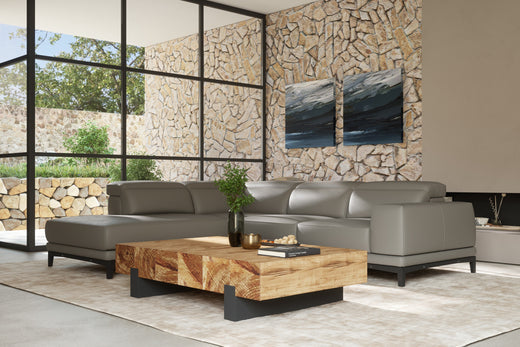
Few materials say "invest in this once and keep it for decades" quite like leather. And when it comes to leather craftsmanship, one name has led the conversation for centuries: Italy. From tanneries in Tuscany to workshops across the country, Italian leather-making is built on generations of technique — a heritage that shows up in the way a genuinely well-made Italian leather sofa looks, feels, and ages.
If you're shopping for an Italian leather sofa, here's what actually separates a well-made piece from an average one, plus the buying and care knowledge that will help it stay in your family for years.
Why Italian Leather-Making Sets the Standard
Italian tanning techniques have long been considered a benchmark in the leather world, prized for producing hides with rich depth of color and a supple hand-feel that softens beautifully with use. That heritage of craftsmanship — careful tanning, close attention to grain, and a finishing process that respects the material rather than masking it — is what gives true Italian leather its reputation.
At Finn & Form, that heritage is part of what shapes our Hygge™ leather collection — a line built around the idea that a leather sofa should feel as inviting as it looks, with the durability to back it up.
Understanding Leather Types
Not all leather sofas are created equal, and understanding a few basic terms will make you a much sharper shopper:
- Full-grain leather uses the top layer of the hide, imperfections and all, which is exactly what gives it character and durability over time.
- Vegetable-tanned leather is treated using natural tannins rather than synthetic chemicals, often resulting in a warmer patina as it ages.
- Top-grain leather is sanded and refinished for a more uniform look and feel, trading a bit of raw texture for consistency.
None of these is universally "best" — the right choice depends on whether you want a sofa that develops visible character over the years or one that keeps a more polished, consistent appearance.
Craftsmanship You Can Actually See and Feel
The value in a well-made leather sofa isn't just the hide itself — it's everything underneath it. Handmade precision in the stitching, a durable hardwood frame, and high-density cushion fill are what determine whether a sofa holds its shape after five years of daily use or starts sagging within the first one.
When you're evaluating a sofa in person (or reading the fine print online), look past the leather and ask about the frame material, the suspension system, and the cushion construction. That's where the real durability lives.

The Stockholm 3 Seater Leather Sofa pairs a clean, contemporary silhouette with the depth of color that comes from careful, traditional leather tanning.
Style and Color Versatility
A common misconception is that leather sofas only come in one or two predictable tones. In reality, today's Italian leather sofa options span everything from deep cognac and espresso to soft ivory and classic black — along with a range of silhouettes, from clean modern lines to a traditional Chesterfield roll-arm design.

The Figaro Chesterfield Roll Arm Leather Sofa brings a more traditional silhouette to the same leather craftsmanship, proving an Italian leather sofa doesn't have to mean one look.
Comfort That Matches the Craftsmanship
A beautiful leather sofa that isn't comfortable is a missed opportunity. High-density foam, supportive cushion fill, and ergonomic proportions are what make a sofa genuinely livable — something you'll actually want to sink into at the end of a long day, not just something you admire from across the room.
What to Consider Before You Buy
A leather sofa is a long-term piece, so it's worth thinking through a few practical questions before you commit:
- Room size and layout — measure your space and any doorways or stairwells the sofa needs to pass through.
- Personal style — does your space lean toward clean modern lines or a more classic, tailored look?
- Maintenance expectations — leather is lower-maintenance than most fabrics, but it does need occasional conditioning (more on that below).
- Budget and longevity — a well-made leather sofa typically costs more upfront but tends to outlast lower-quality alternatives by years, which often makes it the better long-term value.
How to Clean and Care for a Leather Sofa
One of the best things about leather is how manageable the care routine actually is once you know the basics. Here's leather sofa care in practice:
- Wipe spills immediately with a clean, slightly damp cloth — leather doesn't absorb liquid the way fabric does, so quick action prevents staining.
- Dust and vacuum regularly using a soft brush attachment to keep grit from working into the grain.
- Condition every 6 to 12 months with a leather conditioner made for upholstery to keep the material supple and prevent cracking.
- Keep it out of direct sunlight where possible, since prolonged UV exposure can dry out and fade leather over time.
- Avoid harsh cleaners — skip household all-purpose sprays and stick to products designed specifically for leather.
Follow those basics and a genuinely well-made leather sofa will only look better with age — developing the kind of soft, lived-in character that fabric simply can't replicate.
Frequently Asked Questions
What makes an Italian leather sofa different from other leather sofas?
Italian tanning techniques have long been considered a benchmark in the leather world, prized for producing hides with rich depth of color and a supple hand-feel that softens beautifully with use. That heritage of careful tanning, close attention to grain, and finishing that respects the material rather than masking it is what gives true Italian leather its reputation.
What's the difference between full-grain, top-grain, and vegetable-tanned leather?
Full-grain leather uses the top layer of the hide, imperfections and all, which gives it character and durability over time. Vegetable-tanned leather is treated with natural tannins rather than synthetic chemicals, often developing a warmer patina as it ages. Top-grain leather is sanded and refinished for a more uniform look, trading a bit of raw texture for consistency. None is universally "best" — it depends on whether you want visible character over the years or a more polished, consistent appearance.
How do I care for an Italian leather sofa?
Wipe spills immediately with a clean, slightly damp cloth, dust and vacuum regularly with a soft brush attachment, condition every 6 to 12 months with a leather conditioner made for upholstery, keep it out of direct sunlight, and avoid harsh household cleaners in favor of products made specifically for leather.
What should I consider before buying an Italian leather sofa?
Think through room size and layout, including doorways or stairwells the sofa needs to pass through, your personal style preference between clean modern lines or a classic, tailored look, your maintenance expectations, and your budget — since a well-made leather sofa typically costs more upfront but tends to outlast lower-quality alternatives by years.
Shop This Post
The Bottom Line
An Italian leather sofa is as much an investment in craftsmanship as it is a piece of furniture. Look for full-grain or vegetable-tanned leather, a solid frame underneath it, and cushioning built for real comfort — then commit to the simple care routine above. Do that, and you'll have a centerpiece that only gets better with every year you own it.


