

Inspiration
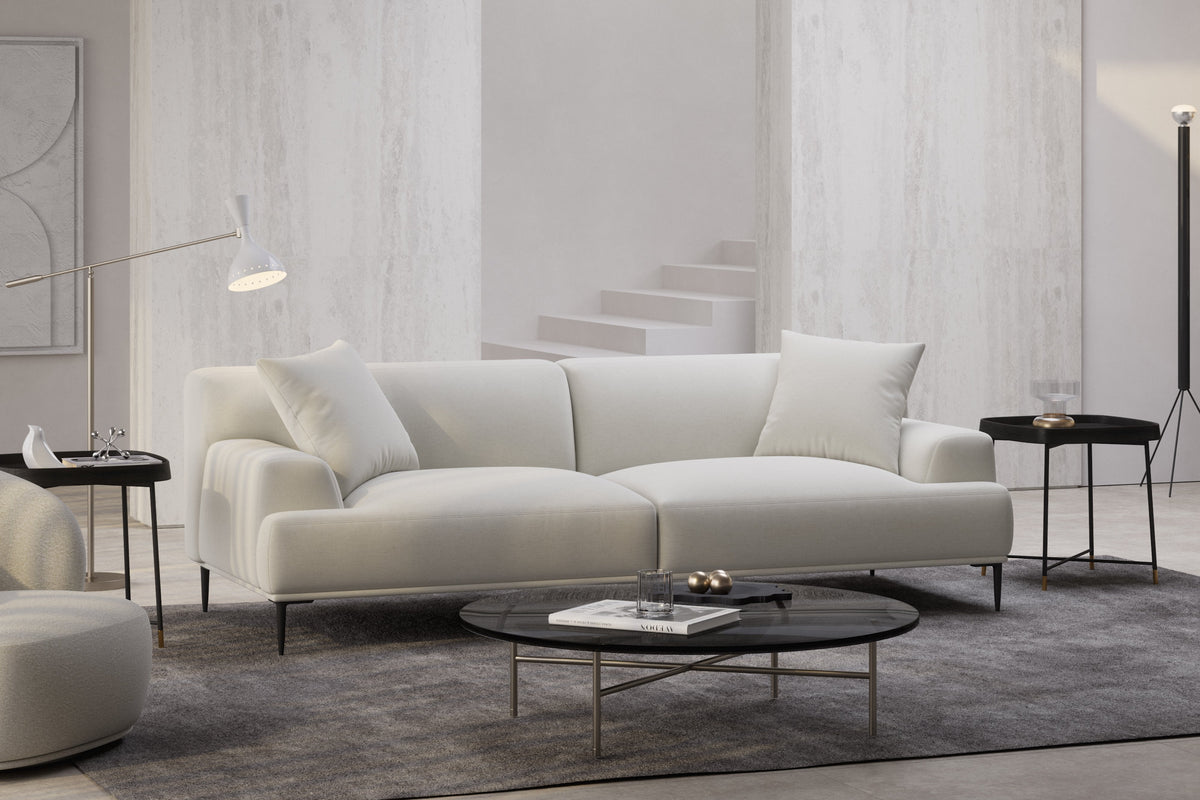

How to Choose an Accent Chair for Your Space
An accent chair has one job that's different from almost every other seat in your home: it's not there primarily for comfort or capacity, it's there to add visual interest. That single distinction changes how you should shop for one — and it's why an accent chair that "matches" your sofa perfectly often ends up looking flatter than one chosen to stand apart from it. Here's how to choose a chair that actually earns its place in the room. Accent Chair vs. Armchair: What's the Difference? These terms get used loosely, and there's no strict industry rule separating them, but the general distinction is useful to know when you're shopping. An armchair is typically thought of as an everyday-comfort seat — often part of a living room's main seating group, sized and cushioned for regular, extended use, similar in role to a sofa. An accent chair is usually chosen first for style and visual contrast, often smaller in scale, and used more as a design statement piece than a primary spot to sit for hours. In practice, a lot of chairs blur the line — a well-built accent chair can absolutely be comfortable enough for regular use — but thinking about which role you need first (comfort-focused everyday seat, or style-focused accent) will narrow your search considerably. Choose a Chair That Contrasts With Your Sofa, Not One That Matches It It's a common instinct to look for an accent chair in the same fabric family or color as the sofa, assuming it will look more "put together." In practice, the opposite is usually true. A room where every seat matches tends to read as flat and showroom-like, whereas a chair that contrasts — in material, color, or shape — creates a visual focal point and makes the whole seating arrangement look more deliberately composed. What Contrast Actually Means Contrast doesn't mean clashing. It means choosing a different material or tone that still belongs in the same overall palette — a leather accent chair opposite a fabric sofa, or a bouclé chair against a leather sectional. The goal is a chair your eye actually notices and rests on, rather than one that blends into the rest of the seating and disappears. Get the Scale Right for the Room Because an accent chair often sits somewhat apart from the main seating group — in a corner, next to a window, flanking a fireplace — its scale needs to work both against the room and against whatever it's paired with. A large, deep-seated lounge chair can overwhelm a small nook, while an undersized chair can look lost in a large, open room or beside a substantial sofa. As a general guide, measure the space you have in mind before shopping and look at a chair's actual width and depth dimensions rather than judging scale from a photo alone — proportion is much harder to gauge from images than it is from a tape measure. Leather, Fabric, or Bouclé: Where Each Fits Material is one of the fastest ways to set the tone of an accent chair, and each option tends to suit a slightly different role in a room. Leather for a Grounded, Structured Statement A leather accent chair — particularly a lounge chair paired with a matching ottoman — brings a more structured, tailored look and tends to work well as a standalone design statement, especially opposite a fabric or bouclé sofa. Leather also tends to be a practical choice for a chair that will see genuinely regular use, since it holds up well to daily contact. Shown: Aria Leather Lounge Chair & Ottoman Fabric for Warmth and Softer Color A fabric accent chair opens up a much wider range of colors and patterns than leather typically offers, which makes it a good option when you want the chair to introduce a specific tone or softness into the room — a muted sage, a warm terracotta, or a soft neutral that leather can't easily replicate. Fabric also tends to feel slightly more casual and approachable, which can suit a bedroom corner or a family room better than a more formal leather piece. Shown: Beatrice Fabric Accent Chair Bouclé for Texture-First Rooms A bouclé accent chair leans into texture rather than color or shape as its main visual interest, which makes it a strong fit for quieter, neutral-toned rooms where you want richness without introducing a bold pattern or saturated color. It tends to suit lighter, occasional-use spots best, since the looped texture isn't built for the heaviest daily wear. Where to Place an Accent Chair Placement is where an accent chair's purpose really comes through — it's rarely meant to be the default seat in the room, but rather a considered addition to a specific spot. A Reading Nook A single accent chair near a window or a good reading light, positioned slightly apart from the main seating group, creates a dedicated spot for a quieter activity and makes use of a corner that might otherwise go unfurnished. Flanking a Fireplace A pair of accent chairs on either side of a fireplace is one of the most classic placements, framing the fireplace as a focal point and creating a secondary, more intimate seating arrangement separate from the main sofa. A Bedroom Corner An accent chair in an underused bedroom corner adds a place to sit while getting dressed or reading before bed, and it's often the single easiest way to make a bedroom feel more finished without adding a large piece of furniture. Frequently Asked Questions What's the difference between an accent chair and an armchair? An armchair is generally an everyday-comfort seat sized for regular, extended use as part of the main seating group, while an accent chair is chosen first for style and visual contrast and used more as a design statement piece. Should an accent chair match my sofa? Not necessarily. A chair that contrasts in material, color, or shape usually creates a stronger focal point than one that matches the sofa exactly, since an all-matching room can read as flat and showroom-like. How do I get the scale right for an accent chair? Measure the specific spot you have in mind and check the chair's actual width and depth dimensions rather than judging scale from a photo, since a chair that's right for a large room can look lost in a small nook and vice versa. Which material should I choose — leather, fabric, or bouclé? Leather suits a structured, tailored statement and holds up well to regular use; fabric opens up more color and pattern options and feels more casual; bouclé adds texture for quieter, neutral-toned rooms best suited to lighter, occasional use. Shop This Post Aria Leather Lounge Chair & Ottoman From $1,079 Shop Now → Beatrice Fabric Accent Chair From $840 Shop Now → Making the Final Choice Choosing an accent chair comes down to being clear about its job in the room: contrast rather than match your existing seating, get the scale right for the specific spot you have in mind, and pick a material — leather, fabric, or bouclé — that fits both the look and the amount of daily use it will realistically get. Browse our full range of accent chairs to find a piece that adds the right contrast and texture to your space.
Learn more
Media Console Styling Ideas for a Living Room That Still Feels Considered
A media console has a strange job compared to most living room furniture: it needs to disappear when the TV is on and hold its own when it's off. Get the sizing, storage, and styling right, and it reads as a considered piece of furniture. Get it wrong, and it becomes a shelf for tangled cables and a TV that looks like it's floating on top of something too small for it. Here's how to think through the choices that actually matter. Size the Console to Your TV and Wall — Not Just the Room The single most common mistake in media console shopping is sizing the console to the room instead of the television. A helpful rule of thumb is to choose a console that's roughly the same width as your TV or a bit wider — somewhere in the range of 1.25 to 1.5 times the TV's width tends to look balanced. Go much narrower than that and the TV visually overhangs the furniture beneath it, which reads as unstable even when it isn't. Go dramatically wider and the console can start to overwhelm the wall, especially in a smaller room. It's also worth measuring the wall itself, not just picturing it. A console that looks reasonably sized in a showroom or product photo can feel very different against your actual wall length, especially if there's a window, doorway, or fireplace competing for that same stretch of wall. Plan for Cable Management Before You Need To Cable management is one of those things almost nobody thinks about until the TV, streaming box, gaming console, and soundbar are all sitting on top of a console with a tangle of cords running down the back. Consoles with back panel cutouts, or fully open backs, make an enormous difference here — they let you route cables straight down and out of sight instead of routing them around a solid back panel or letting them hang loose behind the piece. If you're someone who regularly adds or swaps devices, an open-backed or cutout design is worth prioritizing over a completely enclosed one, even if the enclosed version looks slightly cleaner in photos. Shown: Grange Oak Wood Media Console Balance Closed Storage With Open Display The most livable media consoles do two jobs at once: they hide the stuff you don't want to look at, and they give you a small amount of space to display the stuff you do. Closed cabinet doors or drawers are the right home for remotes, cables, game controllers, and media clutter — anything that would otherwise sit out in plain sight. Open shelving or the top surface, by contrast, is where a console gets to look intentional: a single lamp, a plant, a piece of art leaned rather than hung. The goal isn't to fill every surface, it's to give yourself somewhere to hide the clutter so the display surfaces can stay genuinely curated. Choose a Material That Can Take Daily Use A media console gets touched, bumped, and used more than almost any other piece in a living room — remotes get set down, kids lean on it, cables get plugged and unplugged. Solid oak and other solid woods tend to be a smart choice here specifically because they ground a room visually while also hiding the small dings and daily wear that come with constant use far better than a high-gloss lacquer or a delicate veneer would. A warm wood tone also does double duty as a grounding element in a room where the TV itself is a large black rectangle that can otherwise feel cold. Shown: Beaufort Oak Wood Media Console Style the Top Without Turning It Into a Catch-All The top of a media console has the same problem as a coffee table: it's a flat, convenient surface, which means it's constantly at risk of becoming a landing spot for mail, remotes, and whatever else needs somewhere to go. The fix is the same as it is for a coffee table — keep the arrangement small and edited rather than trying to fill the whole surface. A lamp on one side, a low bowl or a small stack of books, maybe a single plant, is enough to make the piece feel styled without giving it so much surface area that it invites clutter. If you find remotes and cords are winning the battle for that top surface, that's usually a sign the closed storage underneath isn't being used enough — a good console gives those items a proper home so the top can stay clear. Matching the Console to the Room's Layout Where a console sits relative to seating matters almost as much as its size. If the sofa or sectional is set well back from the wall, a console that reads as too low or too shallow can look lost in the gap. A console with some visual weight — a substantial wood grain, a solid base rather than thin tapered legs — tends to hold its own better across a longer sightline. In smaller rooms, where the console might be only a few feet from the seating, a lighter profile with visible legs can help the piece feel less bulky and keep the floor sightline open, which makes the whole room read as more spacious. Bringing It Together A media console that's sized correctly, has real cable management, and balances closed storage with a few well-chosen display objects will do far more for a room than a piece chosen on looks alone. It's a piece of furniture that earns its keep every single day, which makes it worth getting the fundamentals right the first time. Frequently Asked Questions How wide should a media console be compared to my TV? A helpful rule of thumb is to choose a console roughly 1.25 to 1.5 times the width of the TV. Going much narrower makes the TV visually overhang the console, while going dramatically wider can overwhelm the wall in a smaller room. What should I look for to manage cables? Look for a console with back panel cutouts or a fully open back, which let you route cables straight down and out of sight instead of letting them tangle or hang loose behind the piece. Why is solid wood a good material for a media console? A media console gets touched, bumped, and used constantly, and solid woods like oak hide small dings and daily wear far better than a high-gloss lacquer or delicate veneer, while also grounding the room visually. How should I style the top of a media console without it becoming cluttered? Keep the arrangement small and edited: a lamp on one side, a low bowl or small stack of books, maybe a single plant. If remotes and cords keep winning the surface, it's usually a sign the closed storage underneath isn't being used enough. Shop This Post Grange Oak Wood Media Console From $1,134 Shop Now → Beaufort Oak Wood Media Console From $1,350 Shop Now → Explore Finn & Form's Grange and Beaufort oak wood media consoles to find a piece sized and built for how your living room actually gets used.
Learn more
Coffee Table Styling Ideas That Actually Get Used
A coffee table is the most-touched surface in the living room, which is exactly why it's so easy to get wrong. Style it like a showroom display and it stops being useful. Pile it with everyday clutter and it stops looking intentional. The best coffee table styling finds the middle ground: a table that looks considered at a glance but still welcomes a coffee mug, a stack of remotes, or someone's feet after a long day. Below are the principles that actually hold up in a lived-in home, not just in a photo. Start With the Rule of Odd Numbers Interior stylists lean on odd-numbered groupings because they read as more natural and less rigid than pairs. Two objects side by side can look like a matched set waiting to be used as bookends; three objects create a visual triangle your eye naturally travels around. A simple formula to borrow: one stack of books, one object with height or shape (a small sculptural bowl, a candle, a vase), and one living element, like a small plant in a low pot. That's it — three items, three different heights, one surface. Why This Works Better Than "More" The instinct when a table looks bare is to add more. Resist it. A coffee table with six or seven small objects starts to look like a collection you forgot to put away, and it also eats up the space you actually need for daily use. Three well-chosen pieces, spaced with a little breathing room between them, will always look more finished than a crowded arrangement — and it leaves the rest of the surface open for the tray, the drink, the laptop. Leave Room for the Table to Actually Be a Table This is the part that gets left out of most styling guides: a coffee table's first job is to hold things people use — drinks, snacks, a book mid-read, feet at the end of the day. If your styled objects take up the entire surface, you'll end up shoving them aside every time someone sits down, and within a week the "styled" look disappears entirely. A good rule of thumb is to keep your decorative grouping to roughly a third or less of the total surface area, positioned toward one end or corner rather than dead center. That leaves the rest of the table open and ready, which means the styling actually survives contact with real life instead of getting swept onto a side table the first time you have guests over. Use a Tray to Corral the Small Stuff A low tray is one of the simplest tools for keeping a coffee table looking pulled-together, especially in households with remotes, coasters, phone chargers, or kids' odds and ends drifting across the surface. A tray does two things at once: it groups small items into one visual "zone" so they read as intentional rather than scattered, and it makes daily cleanup faster because everything has one home to return to. Choose a tray material that contrasts gently with your table top — a woven or matte-finish tray on a polished stone table, for instance, adds warmth without fighting the table's own texture. Choosing a Table Material That Anchors the Room Coffee table styling only goes so far if the table itself doesn't suit the room. Material is doing more visual work than most people give it credit for, since a coffee table typically sits at the literal center of a living room's sightlines. Marble and Quartz for a Polished Anchor A marble or quartz top brings a cool, reflective surface that reads as elevated without requiring anything else in the room to change. Because natural stone has its own built-in movement and veining, it can act as the room's visual centerpiece — which means you can actually style it more simply, since the material itself is already doing some of the work. This pairs particularly well with warmer textures elsewhere in the room, like a bouclé or leather sofa, wood flooring, or woven textiles, giving the space contrast between cool stone and warm fabric rather than everything competing for the same tone. Shown: Laconi Carrara Marble Coffee Table A lighter stone like Carrara marble, with its soft grey veining on a white base, keeps a room feeling open and bright — a good choice if your seating is already darker or more saturated in color, since it prevents the whole room from feeling heavy. A deeper stone, like black marquina marble, does the opposite: it grounds a lighter room and gives it a more dramatic, tailored edge. Shown: Greco Nero Marquina Marble Coffee Table When you're comparing coffee table styling ideas across a room, it helps to think of the table's material as the fixed point everything else responds to — pick the stone or finish first, then choose your styled objects and tray in tones that either match or intentionally contrast with it. Refresh the Look Seasonally Without Buying New Furniture One advantage of good coffee table styling is that it's inexpensive to change. You don't need a new table to make a room feel refreshed for a new season — you need new textures and colors on the same surface. Simple Swaps by Season In cooler months, swap in a textured ceramic vase, a chunkier knit or wool throw draped nearby, and deeper, warmer tones — rust, forest green, walnut brown — in your small objects. In warmer months, lighten the palette: a glass or lighter ceramic vase, a single stem or small potted plant, and cooler tones like sage, cream, or pale blue. Because you're only changing three or four small items and maybe the tray, a full seasonal refresh can cost very little and take under an hour, while still making the room feel intentionally updated rather than static year-round. Rotate, Don't Accumulate The easiest way to keep this sustainable is to rotate a small existing collection of objects in and out of storage by season, rather than continually buying new pieces. Two or three books, one seasonal object, and one plant is enough for any table — the goal is a considered edit, not an accumulation. Frequently Asked Questions How many objects should I put on a coffee table? Three works best, following the rule of odd numbers: one stack of books, one object with height or shape like a small sculptural bowl or vase, and one living element like a small plant in a low pot. Three items at three different heights read as more natural and finished than a crowded arrangement. How much of the coffee table surface should styling take up? Roughly a third or less of the total surface area, positioned toward one end or corner rather than dead center. That leaves the rest of the table open and ready for actual use — drinks, a book, or feet at the end of the day. What's an easy way to keep a coffee table looking pulled-together? Use a low tray to corral small items like remotes, coasters, or phone chargers. It groups everything into one visual zone so it reads as intentional rather than scattered, and it makes daily cleanup faster since everything has one home to return to. How often should I refresh coffee table styling for the season? Refresh it once per season by swapping three or four small items and maybe the tray — warmer, deeper tones and textured pieces in cooler months, lighter and cooler tones in warmer months. A full refresh can take under an hour and cost very little since you're rotating existing objects rather than buying new ones. Bringing It Together Good coffee table styling isn't about following a rigid formula — it's about balancing visual interest with actual usability, choosing a table material that sets the tone for the room, and refreshing small details rather than overhauling the whole setup every few months. Start with the table itself, since that's the piece doing the most structural work in the room, and let the smaller styling choices follow from there. Shop This Post Laconi Carrara Marble Coffee Table From $1,475 Shop Now → Greco Nero Marquina Marble Coffee Table From $939 Shop Now → If you're shopping for a table that can act as that anchor point — in marble, wood, or a mix of materials — browse our full range of coffee tables to find one that fits both your room's proportions and the way you actually use the space.
Learn more