

Inspiration

How to Arrange Living Room Furniture for Flow and Comfort
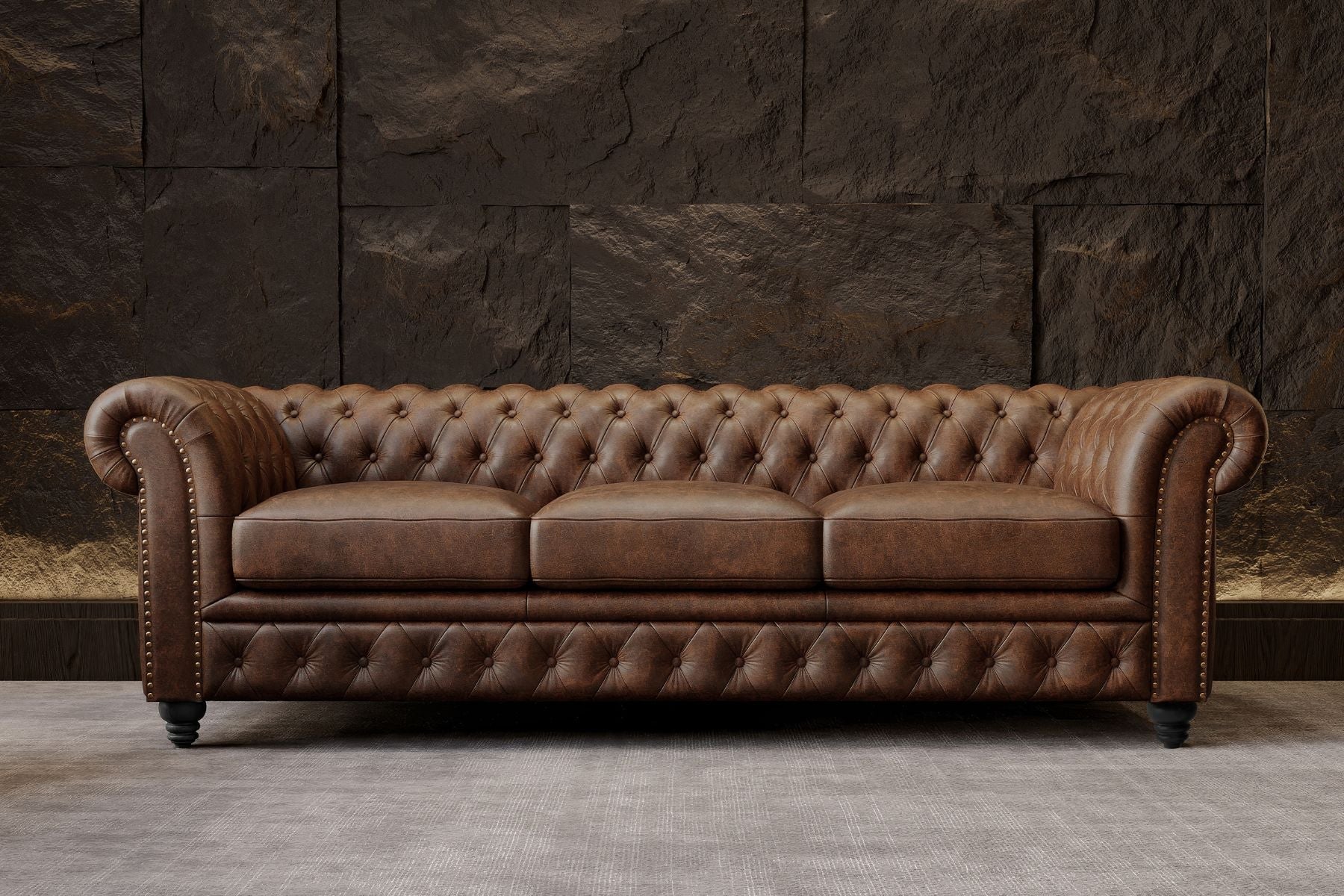
Most living rooms don't have a furniture problem — they have an arrangement problem. The same sofa, chairs, and coffee table can make a room feel open and easy to move through, or cramped and awkward, purely based on how they're placed. Here's a practical, room-by-room approach to arranging living room furniture so the space actually flows and feels comfortable to live in, not just to look at. Start With a Focal Point Every well-arranged living room is organized around something — a fireplace, a television, a large window with a view, or simply the sofa itself. Before moving a single piece, identify what the room should center on. If there's a fireplace, seating typically works best facing or angled toward it. If the television is the primary use case, keep the main seating within a comfortable viewing distance and roughly centered, rather than off to one side. Once you've picked the focal point, every other placement decision becomes easier because you're arranging around a fixed reference rather than guessing. When There Are Two Focal Points Many rooms have to reconcile two competing anchors — a fireplace on one wall and a television on another, for example. In that case, an L-shaped or sectional arrangement often works better than a straight-across layout, since it lets seating serve both zones without forcing everyone to choose a side. Keep Traffic Paths Clear One of the most common arrangement mistakes is placing furniture so that a natural pathway through the room gets blocked, forcing people to awkwardly navigate around a chair or coffee table corner. As a general guideline, aim to leave at least 30 inches (about 76 cm) of clearance for main walking paths — enough for one person to move through comfortably without turning sideways. Around a coffee table or between other seating, 14 to 18 inches of clearance is usually enough to keep the space feeling open without making pieces seem disconnected from each other. Shown: Stockholm 3 Seater Leather Sofa Decide Between Symmetry and Asymmetry Symmetrical arrangements — two matching chairs facing a sofa, a coffee table perfectly centered between them — tend to feel formal, balanced, and calm. They work particularly well in rooms with an obvious central axis, like a fireplace flanked by windows. Asymmetrical arrangements, where a large sectional anchors one side of the room and a single chair or bench balances it from another angle, feel more relaxed and often make better use of irregular room shapes. Neither approach is inherently better; the right choice depends on the room's architecture and how formal you want the space to feel. Float Furniture in Larger Rooms, Anchor It in Smaller Ones In a spacious living room, pushing every piece against the walls actually works against you — it creates a large dead zone in the middle of the room and makes conversation feel distant. Floating a sofa and chairs toward the center, with a rug underneath to define the seating area, makes a large room feel intentional rather than sparse. In a smaller room, the opposite tends to be true: anchoring furniture along the walls frees up floor space and makes the room feel larger and easier to move through, since every open square foot counts more when there's less of it to work with. Choosing a Sofa or Sectional for the Space The scale of your main seating piece has an outsized effect on how the whole room reads. A three-seat sofa suits most standard living rooms and works well as a focal point paired with one or two accent chairs. A sectional, on the other hand, is worth considering when you have an open floor plan or a room that needs to define its own boundary within a larger space — the L-shape naturally creates a defined zone without requiring walls. Shown: Laurent Leather Power Reclining Sectional Sofa Size the Coffee Table to the Sofa A coffee table that's too small looks like an afterthought; one that's too large overwhelms the seating around it and blocks the walking path. A helpful general guideline is to choose a coffee table that's roughly two-thirds the length of your sofa — long enough to feel proportional and to serve the full width of the seating, but short enough to leave room to move around it comfortably. Use a Rug to Anchor the Seating Area A rug does more than add warmth underfoot — it visually defines where the seating area begins and ends, which matters especially in open-concept spaces where the living room blends into a dining or kitchen area. As a general rule, aim for a rug large enough that at minimum the front legs of your sofa and chairs rest on it; in larger rooms, all four legs on the rug creates an even more grounded, cohesive look. A rug that's too small, floating in the middle of the furniture grouping, tends to make the whole arrangement look disconnected. Test Before You Commit Once you have a layout in mind, it's worth living with it for a few days before finalizing. Walk through the space at different times, sit in each seat, and notice whether conversation feels natural or strained. Small adjustments — angling a chair a few degrees, shifting a sofa six inches from the wall — often make a bigger difference than starting over with an entirely new arrangement. Accounting for How the Room Is Actually Used Beyond the visual principles, it helps to think through the room's daily rhythm before settling on a final layout. A living room that doubles as a workspace during the day needs a different arrangement than one used purely for evening relaxation — in the first case, keeping a chair or console accessible without disrupting the main seating group matters more than pure symmetry. If the room regularly hosts more people than the main seating fits, consider furniture that can flex, such as a bench or ottoman that supplements the sofa without permanently occupying floor space. Arranging for real use, rather than an idealized version of the room, is what makes a layout hold up over months rather than just looking good on move-in day. Frequently Asked Questions How much walking space should I leave around living room furniture? Aim to leave at least 30 inches (about 76 cm) of clearance for main walking paths — enough for one person to move through comfortably without turning sideways. Around a coffee table or between other seating, 14 to 18 inches of clearance is usually enough to keep the space feeling open. How big should my rug be relative to my sofa and chairs? Aim for a rug large enough that at minimum the front legs of your sofa and chairs rest on it. In larger rooms, having all four legs on the rug creates an even more grounded, cohesive look, while a rug that's too small and floating in the middle of the grouping tends to make the arrangement look disconnected. What size coffee table should I pair with my sofa? A helpful general guideline is to choose a coffee table that's roughly two-thirds the length of your sofa — long enough to feel proportional and serve the full width of the seating, but short enough to leave room to move around it comfortably. Should I float my furniture in the middle of the room or push it against the walls? It depends on room size. In a spacious living room, floating a sofa and chairs toward the center with a rug underneath makes the room feel intentional rather than sparse. In a smaller room, anchoring furniture along the walls frees up floor space and makes the room feel larger and easier to move through. Shop This Post Stockholm 3 Seater Leather Sofa From $1,599 Shop Now → Laurent Leather Power Reclining Sectional Sofa From $3,010 Shop Now → Getting Started Good furniture arrangement comes down to a few repeatable principles: define a focal point, protect your walking paths, choose symmetry or asymmetry deliberately, and size your pieces to the room and to each other. If you're rethinking your seating as part of this process, browse Finn & Form's Sofas & Loveseats collection for standard living rooms, or the Sectionals collection if you're working with an open or irregular floor plan.
Learn more
Loveseat vs. Sofa: What's the Difference (and Which Do You Need)?
If you've stood in a furniture showroom or scrolled through options online wondering whether you need a loveseat or a full sofa, you're asking the right question — the two are often used almost interchangeably in casual conversation, but they serve genuinely different purposes in a room. Getting this decision right has a bigger impact on how your space actually functions than most other furniture choices, since it affects everything from seating capacity to how much floor space you have left for the rest of your layout. Here's how to tell them apart and figure out which one your room actually needs. The Basic Difference: Size and Seating Capacity A loveseat is a smaller upholstered seating piece designed to comfortably fit two people, typically running somewhere in the range of 52 to 70 inches wide. A standard sofa is built for three people (sometimes referred to as a "3-seater"), and generally spans 72 to 96 inches or more, depending on the design and arm style. That size difference is the core of the distinction, but it has ripple effects beyond just seat count. A loveseat's smaller footprint means it can fit in spaces where a full sofa physically wouldn't, and it also tends to feel more intimate and casual, while a full sofa reads as the anchor piece of a larger room and can comfortably host more people at once. When a Loveseat Makes More Sense A loveseat is often the smarter choice in a few common scenarios: Small living rooms or apartments, where a full-size sofa would overwhelm the space or block walking paths. A loveseat lets you maintain comfortable seating without sacrificing the rest of the room's function. A secondary seating area — for instance, positioned perpendicular to a larger sofa to create a conversational furniture arrangement, or placed in a bedroom, home office, or bonus room where a full sofa isn't necessary. Pairing with a sectional or a larger sofa to add flexible extra seating without committing to another full-size piece. Two loveseats facing each other, or a loveseat paired with an accent chair, can create a more dynamic layout than one long sofa against a wall. Rooms with multiple purposes, such as a den that doubles as a guest space or a home office with a casual seating corner, where a smaller-scale piece fits the room's flexible use better than a large, dominant sofa. When a Full Sofa Makes More Sense A full-size sofa is generally the better choice when: It's your primary living room seating piece — the main spot where your household sits daily and where guests will gather when they visit. You regularly host groups, whether that's family gatherings, movie nights with friends, or a household with several people who all want to sit together comfortably at once. The room's proportions call for a larger anchor piece — in a larger living room, a loveseat alone can look undersized and leave the space feeling sparse, while a full sofa fills the role of visual and functional anchor more naturally. Shown: Stockholm 3 Seater Leather Sofa A sofa like the Stockholm above is built for exactly that primary-seating role — it's sized to comfortably seat three, making it a natural fit for a household's main gathering point, whether that's daily family time or hosting a group of friends. How a Loveseat and Sofa Can Work Together in One Room One of the most practical layouts in furniture planning isn't choosing one over the other — it's combining them. A loveseat paired with an accent chair, or a loveseat placed alongside a full sofa, can offer roughly the same total seating capacity as a single larger three-seat sofa, while opening up more floor space and giving the room a more flexible, conversational layout. Rather than everyone facing one direction toward a single long sofa, a mixed arrangement lets people face each other, which tends to make a living room feel more inviting for actual conversation. Shown: Aria Leather Lounge Chair & Ottoman A lounge chair and ottoman like the Aria above is a good example of this kind of flexible pairing — positioned alongside a loveseat, it adds a comfortable individual seat (with a footrest, which a loveseat alone doesn't offer) without requiring the floor space a second full sofa would take up. This kind of mix-and-match approach is especially useful in living rooms that need to serve more than one function, since individual pieces can be rearranged more easily than one large sectional or sofa. Material and Style Considerations Apply to Both It's worth noting that the material and style decisions you'd make for a full sofa — leather versus fabric, tailored versus relaxed arm styles, firm versus plush cushioning — apply equally to a loveseat. A loveseat isn't a "lesser" or more limited version of a sofa in terms of quality or design options; it's simply a smaller-capacity piece, and it's worth holding it to the same standards for comfort, construction, and materials that you would a full-size sofa. If anything, because a loveseat is often the more visible piece in a smaller room, it's worth being just as selective about finish and detailing as you would with a larger anchor sofa. Loveseat and Sofa Sizing at a Glance As a general rule of thumb, most loveseats fall between 52 and 70 inches wide and comfortably seat two people, while standard sofas run from about 72 to 96 inches (with larger or sectional pieces extending well beyond that) and are built for three or more. These ranges vary by manufacturer and design, so always check the specific dimensions of a piece rather than assuming based on the "loveseat" or "sofa" label alone — some compact sofas and larger loveseats overlap in size, and the labels are ultimately just a shorthand for the seating capacity a piece is designed around. A Few Questions to Help You Decide How many people usually sit down at once? If it's rarely more than two, a loveseat may cover your daily needs, with additional seating from an accent chair or ottoman for guests. If you regularly have three or more people sitting together, a full sofa is the more practical choice. How much floor space do you actually have? Measure your room and map out walking paths before deciding. A full sofa that technically fits against one wall can still make a small room feel cramped if it doesn't leave enough clearance elsewhere. Is this a primary or secondary seating piece? Primary living room seating generally calls for a full sofa's capacity. Secondary spaces — a reading nook, a home office corner, a guest room — are often better served by a loveseat's smaller footprint. Shop This Post Stockholm 3 Seater Leather Sofa From $1,599 Shop Now → Aria Leather Lounge Chair & Ottoman From $1,079 Shop Now → Finding the Right Fit Whether your room calls for the capacity of a full sofa, the flexibility of a loveseat, or a combination of both, the goal is the same: seating that fits your space and how you actually use it, not just what looks good in a showroom. Browse Finn & Form's loveseat collection to compare options, or pair a loveseat with a full sofa or accent chair to build a layout that gives your living room both comfort and flexibility.
Learn more
How to Choose Eco-Friendly Furniture for a Healthier Home
Choosing eco-friendly furniture isn't about finding a single certification logo on a product tag — it's about understanding what actually goes into a piece and how long it's built to last. As more shoppers look for ways to furnish a home with less environmental impact, it helps to know exactly what questions to ask and what details actually matter. Here's a practical guide to evaluating furniture through that lens, without the greenwashing. What Actually Makes Furniture Eco-Friendly "Eco-friendly furniture" gets used loosely, but a few concrete factors separate genuinely lower-impact pieces from marketing language. Wood Sourcing and Frame Material Solid wood frames, especially from responsibly managed or reclaimed sources, generally have a lower environmental footprint than particleboard or MDF frames bonded with high volumes of synthetic adhesives. Solid hardwoods like oak, hickory, and maple are also simply more durable — a frame that doesn't sag or crack within a few years is inherently a better environmental choice than one that ends up in a landfill after a couple of moves. Filling Materials What's inside a cushion matters as much as what's on the outside. Natural fills — down and feather blends, natural latex, or high-density foam paired with a feather wrap — tend to hold their shape and loft far longer than lower-grade synthetic foam, which compresses and needs replacing sooner. A cushion that stays supportive for a decade is doing more for sustainability than one described as "eco" but that flattens out in eighteen months. Finishes and Adhesives Low-VOC (volatile organic compound) finishes and water-based adhesives release far fewer airborne chemicals into a home than solvent-heavy alternatives. This matters for indoor air quality as much as it does for the environment during manufacturing. When you're comparing pieces, it's worth asking what type of finish was used and whether it's low-VOC — a small detail that has a real effect on both sustainability and how a room actually smells in the first few weeks after delivery. Questions to Ask Before You Buy You don't need to be a materials scientist to shop smarter. A few direct questions to a retailer or a close read of the product description will tell you most of what you need to know: What is the frame made from, and is it solid wood, engineered wood, or a metal frame? What fills the cushions — foam, down, feather, or a blend — and how is it constructed? What type of finish or stain is used on any exposed wood? Is the wood sourced from a certified sustainable forestry program, and can the retailer point you to that information? Retailers who can answer these clearly, without vague language, are generally the ones actually paying attention to sourcing — which tends to correlate with better-built furniture overall. Shown: Etienne Hickory Wood Dining Table Durability Is a Form of Sustainability One of the most overlooked truths about eco-friendly furniture is that the most sustainable piece is often simply the one you don't have to replace. A well-built dining table or bed frame that lasts fifteen to twenty years, built from solid hardwood with joinery designed to be repaired rather than discarded, has a far smaller lifetime environmental footprint than a piece that costs less upfront but needs replacing every two or three years. This is the practical case for investing in fewer, better pieces rather than furnishing a home with items designed for a short lifespan. A solid wood bed frame, for example, isn't just a design choice — it's a structural one. Real joinery and solid wood construction hold up to years of daily use in a way that particleboard and staples simply can't, which means fewer replacements, less waste, and ultimately a better long-term value even at a higher initial price point. Shown: Leroy Solid Wood Bed Frame Look Beyond the Furniture Itself Sustainability in furniture also shows up in less visible ways: how a piece is packaged and shipped, whether it can be disassembled and moved rather than discarded when you relocate, and whether replacement parts or reupholstery are realistic options down the line. A piece designed with repairability in mind — replaceable cushion covers, accessible hardware, modular components — extends its useful life well beyond the original owner, which is one of the clearest forms of genuine sustainability in furniture design. Care Extends Everything Even the best-built furniture benefits from basic care: conditioning leather periodically, rotating and fluffing cushions, and avoiding prolonged direct sunlight that can dry out wood or fade fabric. None of this is complicated, but it's the difference between furniture that looks tired after five years and furniture that looks better with age. How Eco-Friendly Furniture Fits Into a Healthier Home The environmental case for better-made furniture is only half the picture. The materials that make furniture more sustainable also tend to make it healthier to live with. Low-VOC finishes mean fewer off-gassing chemicals in the air you and your family breathe, particularly in the first weeks after a new piece arrives, when off-gassing is typically at its highest. Natural fiber fills, like down and feather blends, don't rely on the flame-retardant chemical treatments sometimes used in lower-grade synthetic foams. None of this requires taking a brand's word for it — the details are usually available if you ask, and they're worth asking about for a piece that will sit in your living room or bedroom for years. Solid Wood vs. Engineered Wood: What the Difference Really Means It's worth understanding the practical difference here, since the terminology can be confusing. Engineered wood — particleboard, MDF, or plywood — is made by binding wood fibers or veneers together with adhesive under pressure. It's not inherently bad, and it has legitimate uses in furniture, but it's generally less durable over time and often relies on higher volumes of adhesive, some of which can off-gas VOCs. Solid wood, by contrast, is milled directly from timber and, when properly kiln-dried and finished, is dimensionally stable and can be repaired, sanded, and refinished for decades. For pieces that see heavy daily use — dining tables, bed frames, larger case goods — solid wood construction tends to be the more sustainable long-term choice, even though it usually costs more upfront. Frequently Asked Questions What actually makes furniture eco-friendly? A few concrete factors separate genuinely lower-impact pieces from marketing language: solid wood frames from responsibly managed or reclaimed sources rather than particleboard or MDF bonded with heavy synthetic adhesives, natural cushion fills like down, feather, or latex that hold their shape far longer than lower-grade synthetic foam, and low-VOC finishes and water-based adhesives that release fewer airborne chemicals into the home. What questions should I ask before buying eco-friendly furniture? Ask what the frame is made from (solid wood, engineered wood, or metal), what fills the cushions and how it's constructed, what type of finish or stain is used on exposed wood, and whether the wood is sourced from a certified sustainable forestry program. Retailers who can answer clearly, without vague language, tend to be the ones actually paying attention to sourcing. Why is durability considered a form of sustainability? The most sustainable piece is often simply the one you don't have to replace. A well-built dining table or bed frame that lasts fifteen to twenty years, built from solid hardwood with repairable joinery, has a far smaller lifetime environmental footprint than a cheaper piece that needs replacing every two or three years. What's the difference between solid wood and engineered wood? Engineered wood — particleboard, MDF, or plywood — is made by binding wood fibers or veneers together with adhesive under pressure, and is generally less durable and reliant on more adhesive, some of which can off-gas VOCs. Solid wood is milled directly from timber and, when properly kiln-dried and finished, is dimensionally stable and can be repaired, sanded, and refinished for decades — making it the more sustainable long-term choice for heavy daily use pieces like dining tables and bed frames. Shop This Post Etienne Hickory Wood Dining Table From $1,395 Shop Now → Leroy Solid Wood Bed Frame From $1,218 Shop Now → A Sensible Approach to Furnishing Choosing eco-friendly furniture doesn't require an all-or-nothing overhaul of how you shop. It means looking past the surface finish to ask what a piece is actually made of, how it's constructed, and how long it's realistically built to last. Solid materials, honest construction, and a design built for longevity will almost always outperform a cheaper alternative — both for your home and for the footprint it leaves behind. That's the thinking behind investing in fewer, better pieces rather than furniture meant to be replaced. If that approach fits how you want to furnish your home, explore Finn & Form's Living Room collection for pieces built around solid materials and lasting construction.
Learn more
The Complete Guide to Choosing a Chesterfield Sofa
Few silhouettes are as instantly recognizable in furniture design as the Chesterfield sofa. With its deep button tufting, rolled arms, and low, tailored stance, it has held its place in living rooms, libraries, and studies for well over a century — and it shows no sign of going anywhere. If you're considering one for your own home, it helps to understand exactly what makes a Chesterfield a Chesterfield, how to choose between leather and fabric, and how to style it so it feels current rather than costume-like. This guide covers all of it. What Is a Chesterfield Sofa? A Chesterfield sofa is defined by a specific set of design features, not just a general "vintage" look. Genuine Chesterfield styling includes: Deep button tufting across the back and sometimes the seat, which creates the sofa's signature quilted texture and helps the upholstery hold its shape over years of use. Rolled or scroll arms that sit at the same height as the back of the sofa — this is one of the most identifying traits of the style, and it's what gives a Chesterfield its continuous, unbroken silhouette from arm to arm. Nailhead trim or a clean piped edge along the arms and base, depending on whether the design leans more traditional or more streamlined. A low-to-the-ground stance, with the seat sitting closer to the floor than most contemporary sofas, which is part of why the style reads as substantial and grounded in a room. Put together, these elements create a sofa that looks tailored and architectural rather than soft and slouchy. That's the core appeal: a Chesterfield holds its structure, which is part of why the style has aged so well compared to trend-driven sofa designs that can start to look dated within a few years. A Brief History of the Chesterfield Style The Chesterfield takes its name from English club and library furniture traditions, where deep-buttoned leather seating was a fixture of formal sitting rooms, gentlemen's clubs, and studies. The style was built for durability and presence — leather that would age gracefully under regular use, and a silhouette formal enough to suit a room meant for conversation and reading rather than lounging. That heritage is part of why the Chesterfield still reads as a piece with substance: it wasn't designed as a passing trend, it was designed as furniture meant to last generations, and the design details reflect that intent. Why the Chesterfield Style Has Stayed Popular Most furniture styles cycle in and out of fashion within a decade or two. The Chesterfield has managed to stay relevant across radically different interior design eras — from traditional wood-paneled studies to minimalist modern lofts — for a simple reason: the tufted, rolled-arm silhouette is bold enough to be a genuine focal point, but disciplined enough that it doesn't fight with other design choices in the room. A Chesterfield can anchor a formal, heritage-style living room just as easily as it can serve as the one statement piece in an otherwise pared-back, contemporary space. Few sofa styles offer that kind of range. Leather vs. Fabric Chesterfield Sofas The original Chesterfield sofas were leather, and leather remains the classic choice for good reason. The way leather creases and softens along the tufted buttons and rolled arms is part of what gives a Chesterfield its character over time — the surface develops a lived-in richness that fabric doesn't replicate in quite the same way. Leather is also easier to keep clean day-to-day, since spills wipe off the surface rather than soaking into a woven fabric. That said, a fabric Chesterfield is a legitimate and increasingly popular choice, especially for households that want a softer, more casual feel or that are drawn to a specific color or texture that isn't available in leather. Performance fabrics and boucle-style weaves in particular have made fabric Chesterfields more practical for everyday family use than they once were. The deciding factor usually comes down to the overall mood you want: leather leans tailored and traditional-to-transitional, while fabric can pull the same silhouette into a softer, more contemporary register. Shown: Figaro Chesterfield Roll Arm Leather Sofa The Figaro above is a good reference point for what a well-proportioned leather Chesterfield should look like: the rolled arms sit level with the back, the tufting is deep and evenly spaced, and the trim is clean rather than overdone. When you're comparing options, use details like these as your benchmark — a Chesterfield that skimps on arm height or tufting depth will lose the presence that makes the style worth choosing in the first place. Sizing and Scale: What to Measure Before You Buy Because a Chesterfield's rolled arms are wider and more substantial than a standard track or slope arm, the sofa takes up more overall depth and width than its seat width alone would suggest. When you're measuring your space, account for the arms as functional footprint, not just decoration — a Chesterfield with the same "3-seat" label as a different sofa style can end up several inches wider overall. A few practical measuring steps: Measure the full width of the piece, arm to arm, not just the interior seating width, and compare that to your available wall space. Because the arms are level with the back, check the overall depth too — Chesterfields can read as visually "deeper" in a room than a sofa with a lower, sloped arm, even at a similar seat depth. Leave enough clearance around the piece for walking paths; a low, substantial sofa like a Chesterfield benefits from a bit of breathing room rather than being pushed tight against other furniture. If you're placing it in a smaller room, consider a loveseat-length or two-seat Chesterfield rather than a full three-seat version — the silhouette still reads clearly at a smaller scale. How to Style a Chesterfield in a Modern Room The tufting and rolled arms of a Chesterfield are already a strong visual statement, so the rest of the room should generally support that statement rather than compete with it. A few principles that work well: Pair it with cleaner-lined pieces Balance a Chesterfield's ornate detailing with simpler, straight-lined furniture elsewhere in the room — a low, minimal coffee table, unadorned media console, or streamlined accent chair. If everything in the room has heavy detailing, the Chesterfield loses its role as the focal point. Shown: Maestro 3 Seater Leather Sofa A sofa like the Maestro above illustrates the kind of clean-lined counterpoint that works well alongside a Chesterfield elsewhere in an open-plan space, or as a secondary seating piece in the same room — its uncluttered profile lets the Chesterfield's tufting stay the visual anchor rather than splitting attention between two competing statement pieces. Keep the color palette restrained A neutral or tonal palette — camel, cognac, charcoal, deep green — lets the silhouette do the work. Save bolder color for smaller accents like pillows or a throw rather than a second large upholstered piece. Use it as a library or reading-nook anchor Given its heritage in study and library settings, a Chesterfield works particularly well paired with a well-stocked bookshelf, a reading lamp, and a small side table — a setup that leans into the piece's original context rather than fighting it. Caring for a Leather Chesterfield Leather care for a Chesterfield follows the same general principles as any quality leather furniture, with a bit of extra attention to the tufted areas where dust and debris can settle into the seams. Wipe spills immediately with a clean, slightly damp cloth rather than letting liquid sit on the surface. Condition the leather every 6 to 12 months with a leather conditioner appropriate for your specific leather type, to keep it supple and prevent cracking, especially along the tufted buttons where the leather flexes most. Avoid direct, prolonged sun exposure, which can dry out and fade leather over time — position the sofa away from a spot that gets all-day direct sunlight if possible, or use window treatments to filter it. Dust regularly, including in and around the tufted seams, using a soft brush attachment or microfiber cloth. With reasonable care, a well-made leather Chesterfield is a piece that improves with age rather than wearing out — the leather softening and taking on character precisely where you'd expect a much-loved sofa to show it. Who a Chesterfield Sofa Is Right For A Chesterfield tends to suit a specific kind of buyer well: someone furnishing a room that's meant to feel established and intentional rather than casual, or someone who wants a single statement piece that won't need replacing when the next furniture trend rolls through. It's a strong fit for a formal living room, a home office or study, or a den where the goal is a room that feels finished and considered. It's a slightly less natural fit for a high-traffic family room built around casual, everyday lounging, simply because the low seat and structured back are designed for upright, tailored sitting rather than sprawling out. That's not a flaw in the design — it's a reflection of what the silhouette was built to do, and it's worth keeping in mind when you're deciding where in your home the piece will live. Common Questions When Shopping for a Chesterfield Does a Chesterfield have to be brown leather? No. While cognac and chocolate-brown leather are the most traditional Chesterfield colors, the style works in a wide range of leather tones — from deep charcoal to soft cream — as well as in fabric. The tufting and rolled-arm silhouette are what make it a Chesterfield, not the color. Is a Chesterfield comfortable for everyday use? Yes, though the seating experience is different from a deep, casual sofa. The low arms and firm, structured back are built for upright sitting and conversation rather than sprawling out, which is worth factoring in if you primarily want a sofa for stretching out to watch a long movie. Can a Chesterfield work in a small space? Yes — a two-seat or loveseat-length Chesterfield keeps the tufting and rolled-arm proportions intact at a smaller scale, and can work well as a single statement piece in an apartment living room or a reading nook. Shop This Post Figaro Chesterfield Roll Arm Leather Sofa From $1,938 Shop Now → Maestro 3 Seater Leather Sofa From $1,509 Shop Now → Finding the Right Chesterfield for Your Home Whether you're drawn to the classic leather silhouette or a softer fabric interpretation, the Chesterfield remains one of the few sofa styles that works as a genuine long-term investment piece — one that anchors a room today and still looks intentional a decade from now. Explore Finn & Form's leather sofa collection to see the Figaro and other tufted, rolled-arm designs in full, or browse the complete sofa collection to compare Chesterfield styling against cleaner, more contemporary silhouettes side by side.
Learn more
10 Modern Living Room Ideas That Balance Style and Everyday Comfort
A living room works when it does two things at once: it looks considered, and it holds up to the life actually lived in it. That balance — style without stiffness, comfort without clutter — is the whole game of modern living room design. Below are ten ideas that focus less on trends and more on the decisions that make a room feel both elevated and easy to use every single day. 1. Start With Layout, Not Décor Before choosing a single fabric or finish, figure out how the room needs to function. Is it a space for entertaining, for quiet evenings, for a mix of both? Furniture arrangement should follow use: pull seating away from the walls to create a real conversation area, angle chairs slightly toward each other rather than lining everything up in a row, and make sure there's a clear walking path from the entry to the main seating zone. A modern living room feels intentional because the layout was decided first — everything else is built around it. It helps to think in zones rather than a single arrangement. A larger living room might hold a primary conversation area anchored by the sofa, a secondary reading nook near a window, and a console for storage near the entry. Smaller rooms benefit from committing fully to one zone rather than trying to squeeze in several half-finished ones. Either way, the goal is the same: a layout that supports how people actually move through and use the space, not just how it photographs from the doorway. 2. Choose One Anchor Piece and Build Around It Every well-designed room has a piece that sets the tone — usually the sofa. Instead of treating it as one item on a shopping list, treat it as the decision that everything else responds to: the rug size, the coffee table proportions, the wall color. A well-proportioned leather sofa, for instance, brings warmth and structure at the same time, and its silhouette can dictate whether the rest of the room leans streamlined or relaxed. Shown: Maestro 3 Seater Leather Sofa 3. Build a Palette Around Three Tones Modern living rooms often read as calmer than their traditional counterparts because the palette is disciplined. A simple approach: pick a neutral base (warm white, greige, soft charcoal), a mid-tone anchor (walnut wood, a muted sage, deep espresso leather), and one accent you allow to repeat in small doses — a brass lamp, a rust throw pillow, a black-framed piece of art. Three tones, repeated consistently, read as curated. Ten competing colors read as cluttered no matter how nice each one is individually. 4. Mix Textures the Way You'd Mix Flavors Color gets most of the attention, but texture is what makes a room feel finished in photos and even better in person. Pair a smooth leather sofa with a nubby wool rug, a woven basket for throws, and a matte-finish coffee table. The contrast between soft and hard, matte and polished, is what keeps a neutral room from feeling flat. If everything in the room has the same sheen and the same texture, even a beautiful piece of furniture can disappear into the background. 5. Layer Lighting Instead of Relying on One Fixture A single overhead light does one job: it lights the room evenly and flatly. A modern living room needs at least three light sources working together — an ambient source (ceiling fixture or recessed lighting), a task source (a reading lamp beside the sofa), and an accent source (a floor lamp in a corner, or LED strip lighting behind a shelf). Layered lighting lets you shift the mood of the same room from bright and functional during the day to warm and relaxed in the evening, without touching the furniture at all. Dimmers Are Worth the Small Investment If there's one upgrade that changes a room's feel more than almost anything else, it's a dimmer switch on the main fixture. It costs little and instantly gives a modern living room the flexibility to go from daytime-functional to evening-ambient. 6. Let the Coffee Table Do More Than Hold Coffee A coffee table is one of the few surfaces in a living room guests actually interact with directly, so it's worth choosing with intention rather than as an afterthought. A stone or marble top brings a cool, refined texture that contrasts beautifully with a leather sofa and a wool rug, while still being practical enough for daily use — coasters optional, but appreciated. Shown: Kaplan Simplicity Carrara Marble Coffee Table 7. Give Every Piece Breathing Room Modern design leans on negative space as much as it leans on the furniture itself. A room that's fully packed — every wall lined, every corner filled — reads as busy even if each piece is beautiful. Leave visible floor between furniture groupings, keep at least one wall relatively bare, and resist the urge to fill every surface with objects. The eye needs somewhere to rest, and that's often what separates a "nice room" from a "designed room." 8. Use One Statement Piece, Not Five It's tempting to make every element a showpiece, but a room with one strong statement — a sculptural chair, a bold piece of art, a striking pendant light — reads as more sophisticated than a room where everything competes for attention. Choose the one piece you genuinely love and let the rest of the room support it quietly. 9. Prioritize Comfort as a Design Decision, Not an Afterthought A living room that looks perfect in photos but that no one wants to actually sit in has failed at its primary job. Seat depth, cushion firmness, and armrest height matter just as much as silhouette — test how a sofa feels for the kind of use it will get, whether that's an hour of reading or a full evening with friends. Comfort and style aren't opposing goals; the best modern furniture is designed so you don't have to choose. 10. Edit Ruthlessly Before You Add The single fastest way to make any living room feel more modern is to remove things, not add them. Walk the room and ask, honestly, whether each object is earning its place. A smaller number of well-chosen pieces — a great sofa, a considered coffee table, one lighting moment, a rug that ties it together — will always read as more polished than a room crowded with good intentions. Small Rooms vs. Large Rooms The same principles scale differently depending on square footage. In a compact space, a sofa with exposed, tapered legs will read as lighter and more open than a boxy, skirted design, and a glass or lighter-toned coffee table will keep sightlines open. In a larger room, don't be afraid of scale — an oversized sectional or a substantial stone coffee table can actually make a big room feel grounded rather than empty. Matching furniture scale to room size is one of the most overlooked parts of getting a modern living room right. Frequently Asked Questions What's the fastest way to make a living room feel more modern? Remove things rather than add them. Editing down to a smaller number of well-chosen pieces — a great sofa, a considered coffee table, one lighting moment, and a rug that ties it together — reads as more polished than a room crowded with good intentions. How many colors should a living room palette use? Aim for three tones: a neutral base (warm white, greige, or soft charcoal), a mid-tone anchor (walnut wood, muted sage, or deep espresso leather), and one accent repeated in small doses, like a brass lamp or a rust throw pillow. Repeated consistently, three tones read as curated, while ten competing colors read as cluttered. How many light sources does a modern living room need? At least three, working together: an ambient source such as a ceiling fixture or recessed lighting, a task source like a reading lamp beside the sofa, and an accent source such as a floor lamp or LED strip lighting. Layering lets you shift the room's mood from bright and functional in the day to warm and relaxed in the evening. How do I make a small living room feel bigger? Choose a sofa with exposed, tapered legs instead of a boxy, skirted design, and pick a glass or lighter-toned coffee table to keep sightlines open. In larger rooms, the opposite applies — don't be afraid of scale, since an oversized sectional or substantial stone coffee table can make a big room feel grounded rather than empty. Shop This Post Maestro 3 Seater Leather Sofa From $1,509 Shop Now → Kaplan Simplicity Carrara Marble Coffee Table From $1,500 Shop Now → Bringing It Together None of these ideas require a full renovation. Most living rooms improve dramatically just by rethinking layout, editing down, and choosing a small number of pieces that are built to be lived with, not just looked at. If you're starting that process, browse Finn & Form's Living Room collection for pieces designed around exactly this balance of comfort and craft, or explore the Sofas & Loveseats collection if the seating is where you want to start.
Learn more
Fabric vs Leather Sofa: Which One is Right for Your Home?
Ultimately, the choice between fabric and leather sofas depends on your personal preferences, lifestyle, and the ambiance you envision for your home. If you value cozy comfort, extensive customization, or an easygoing aesthetic, a fabric sofa is likely the perfect match. However, for those seeking sophistication, durability, and timeless charm, a leather sofa might just win out.
Learn more
The Beauty and Functionality of Luxury Stone Tables
Luxury stone tables represent more than just functional furniture; they are a tangible celebration of craftsmanship and a profound investment in your home’s aesthetic and practical value. Be it a marble coffee table as the centrepiece of your living room or a quartz dining table that withstands the rigors of daily life, these pieces exude harmony, strength, and elegance.
Learn more
The Ultimate Guide to Choosing an Italian Leather Sofa
Nordic Hygge™ Leather sofas epitomize the perfect marriage of luxury, comfort, and timeless style. Whether you're captivated by their rich textures, heritage craftsmanship, or refined aesthetics, they are more than just furniture—they’re an investment in elegance and comfort for years to come.
Learn more
The Fusion of Form and Function in Modern Luxury Furniture
The new era of luxury in furniture design places equal weight on practicality and beauty. Functional furniture is more than just an item in your home—it’s a tool for creating comfortable, versatile, and stylish spaces that enhance your daily experience. By choosing pieces that seamlessly blend utilitarian value with refined aesthetics, today’s homeowners can curate homes that tell their unique stories, all while prioritizing comfort, adaptability, and environmental responsibility.
Learn more