

Inspiration

Best Furniture for Small Living Rooms (Without Sacrificing Comfort)
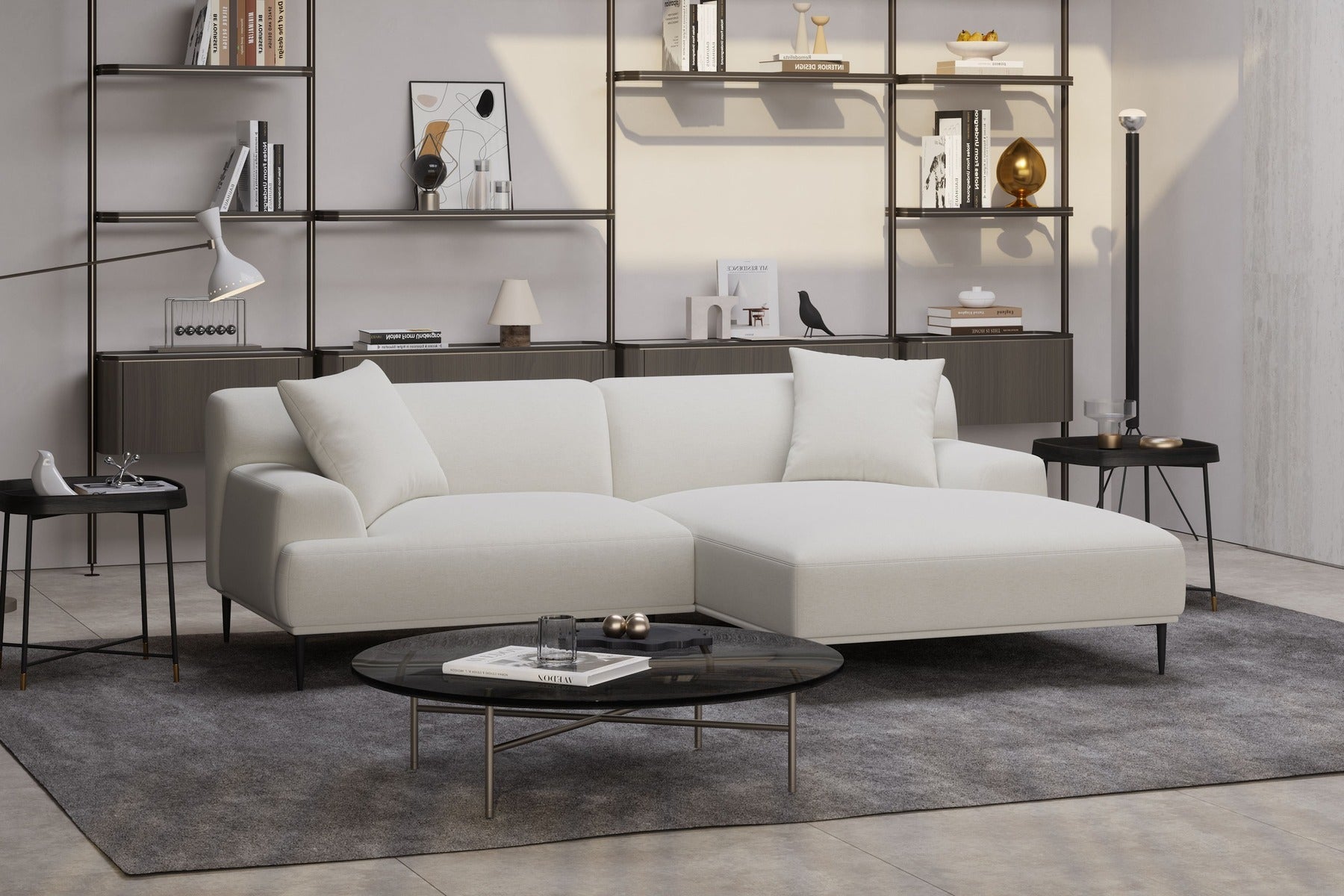
Furnishing a small living room comes with a specific challenge: every piece has to earn its place, and there's little margin for furniture that's oversized, single-purpose, or visually heavy. The good news is that a small room doesn't have to feel cramped or under-furnished — it just requires a different set of decisions than a larger space. Here's how to choose furniture that makes a compact living room feel open, functional, and just as comfortable as a bigger one. Scale Down Before You Scale Up The most common mistake in small living rooms is choosing furniture sized for a room you don't have. An oversized sectional might look luxurious in a showroom, but in a compact space it overwhelms the room, blocks natural walking paths, and leaves no room to breathe. Instead, look for a well-proportioned loveseat or a smaller three-seat sofa that fits the actual dimensions of your space, with enough clearance left around it to move comfortably. A appropriately scaled sofa, chosen deliberately rather than maximized for seating capacity, will almost always make a small room feel more livable than a larger piece squeezed in to fit. When a Loveseat or Compact Sectional Makes More Sense A full three-seat sofa isn't always the right call in a small room, and it's worth being honest about that before you buy. A loveseat offers comfortable seating for two without dominating the floor plan, and it pairs well with one or two accent chairs to flex seating capacity when needed. A compact sectional, meanwhile, can be a smart choice if you want a corner nook that defines the room's boundary without adding a bulky bookend of empty space elsewhere — the trick is choosing one sized specifically for a smaller footprint, not a standard sectional simply squeezed into a tighter corner. Choose Multi-Functional Pieces In a small space, furniture that does double duty is worth more than furniture that only does one thing well. A storage ottoman works as extra seating, a footrest, and hidden storage for blankets or remotes, all in the footprint of a single piece. Nesting tables tuck away when not in use and pull out for extra surface space when guests are over, avoiding the need for a permanently oversized coffee table. These kinds of choices let a small room flex to different needs without requiring more furniture than the space can comfortably hold. Shown: Allodi Full-aniline Leather Ottoman Choose Leggy, Raised Furniture Over Boxy, Skirted Pieces Furniture that sits directly on the floor, with fully upholstered bases or skirted fabric, visually anchors itself and can make a room feel heavier than it is. Pieces raised on visible tapered or turned legs let light pass underneath them, creating a sense of openness even when the piece itself is a similar size. This is a simple visual trick that costs nothing extra but has an outsized effect on how open a small room feels — the eye reads more visible floor as more space, even when the actual square footage hasn't changed. Lean Into a Light, Cohesive Color Palette Dark, heavy colors have their place, but in a small living room, a lighter and more cohesive palette tends to open the space up rather than close it in. Keeping walls, larger furniture, and floor coverings in a similar tonal range — rather than high-contrast blocks of color — reduces visual clutter and lets the eye move through the room without stopping at hard boundaries. This doesn't mean everything has to be white or beige; a soft, warm neutral palette with one or two considered accent colors achieves the same effect while still feeling personal and layered. Use an Accent Chair Instead of a Second Sofa When you need to add seating capacity without adding bulk, a well-chosen accent chair is almost always the better choice over a second sofa or loveseat. A single statement chair — in leather, for instance — adds both extra seating and a visual focal point, without eating into the floor space the way a second large upholstered piece would. It also gives you the flexibility to pull it into a different part of the room for reading or extra seating when guests are over, then return it to its place afterward. Shown: Stockholm Leather Accent Chair Use Mirrors and Vertical Space A well-placed mirror reflects light and visually doubles the sense of depth in a small room, especially when positioned across from a window. Beyond mirrors, look upward: floating shelves, tall narrow bookcases, and wall-mounted storage all take advantage of vertical space that a small floor plan can't offer horizontally. This keeps surface clutter down while still giving you storage and display space, which matters more in a compact room where every flat surface tends to fill up quickly. Keep Walking Paths Genuinely Clear In a small room, even a few inches of blocked walking space feels more disruptive than it would in a larger one. Before finalizing a layout, walk the space as you would day to day — from the entry to the seating area, from the seating area to any adjoining room — and make sure furniture doesn't force an awkward detour. It's often better to choose one fewer piece of furniture than to have the right number of pieces arranged so tightly that the room feels harder to move through than it needs to. Avoid the Trap of Matching Everything In a small room, a perfectly matched furniture set can actually work against you. When every piece shares the exact same tone, material, and silhouette, the room can start to feel like a single dense block rather than a considered collection of pieces. Introducing slight variation — a leather sofa paired with a wood-and-glass coffee table, or an accent chair in a different but complementary tone — creates visual separation between pieces, which paradoxically makes a small room feel more spacious than one where everything blends into a single mass. Frequently Asked Questions What's the biggest furniture mistake in a small living room? Choosing furniture sized for a room you don't have. An oversized sectional or sofa overwhelms a compact room and blocks walking paths, so it's better to choose a well-proportioned loveseat or smaller sofa with clearance left around it. Is a sectional ever a good choice for a small living room? Yes, if it's sized specifically for a smaller footprint. A compact sectional can define a corner nook without adding a bulky extra piece elsewhere, but a standard-size sectional simply squeezed into a tight corner is the wrong approach. Why do multi-functional pieces work well in small spaces? A storage ottoman can serve as seating, a footrest, and hidden storage, while nesting tables tuck away when not needed and pull out for extra surface space — letting the room flex without adding more furniture than it can comfortably hold. Does furniture color affect how big a small room feels? Yes. A lighter, cohesive color palette across walls, larger furniture, and floor coverings reduces visual clutter and helps the eye move through the room, while high-contrast color blocks tend to make a small space feel more closed in. Shop This Post Allodi Full-aniline Leather Ottoman From $810 Shop Now → Stockholm Leather Accent Chair From $1,377 Shop Now → Small Space, Full Comfort A small living room doesn't have to mean smaller ambitions for comfort or style — it just means choosing furniture proportioned to the space, pieces that do more than one job, and details like leg height and color palette that open the room up visually. With the right choices, a compact living room can feel just as inviting and complete as a much larger one. Browse Finn & Form's Sofas & Loveseats collection for pieces sized and scaled for exactly this kind of space.
Learn more