

Inspiration

Best Furniture for Small Living Rooms (Without Sacrificing Comfort)
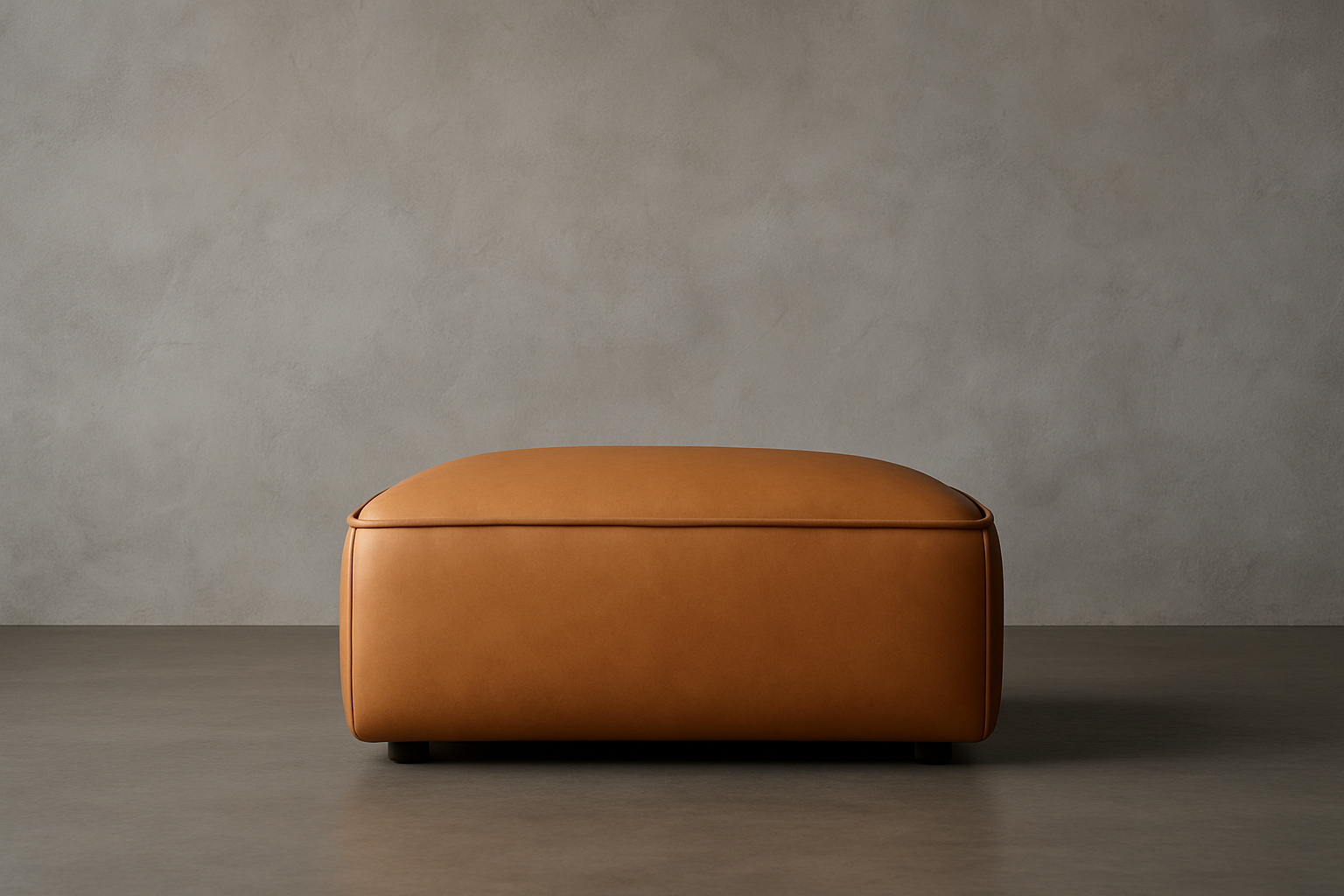
Furnishing a small living room comes with a specific challenge: every piece has to earn its place, and there's little margin for furniture that's oversized, single-purpose, or visually heavy. The good news is that a small room doesn't have to feel cramped or under-furnished — it just requires a different set of decisions than a larger space. Here's how to choose furniture that makes a compact living room feel open, functional, and just as comfortable as a bigger one. Scale Down Before You Scale Up The most common mistake in small living rooms is choosing furniture sized for a room you don't have. An oversized sectional might look luxurious in a showroom, but in a compact space it overwhelms the room, blocks natural walking paths, and leaves no room to breathe. Instead, look for a well-proportioned loveseat or a smaller three-seat sofa that fits the actual dimensions of your space, with enough clearance left around it to move comfortably. A appropriately scaled sofa, chosen deliberately rather than maximized for seating capacity, will almost always make a small room feel more livable than a larger piece squeezed in to fit. When a Loveseat or Compact Sectional Makes More Sense A full three-seat sofa isn't always the right call in a small room, and it's worth being honest about that before you buy. A loveseat offers comfortable seating for two without dominating the floor plan, and it pairs well with one or two accent chairs to flex seating capacity when needed. A compact sectional, meanwhile, can be a smart choice if you want a corner nook that defines the room's boundary without adding a bulky bookend of empty space elsewhere — the trick is choosing one sized specifically for a smaller footprint, not a standard sectional simply squeezed into a tighter corner. Choose Multi-Functional Pieces In a small space, furniture that does double duty is worth more than furniture that only does one thing well. A storage ottoman works as extra seating, a footrest, and hidden storage for blankets or remotes, all in the footprint of a single piece. Nesting tables tuck away when not in use and pull out for extra surface space when guests are over, avoiding the need for a permanently oversized coffee table. These kinds of choices let a small room flex to different needs without requiring more furniture than the space can comfortably hold. Shown: Allodi Full-aniline Leather Ottoman Choose Leggy, Raised Furniture Over Boxy, Skirted Pieces Furniture that sits directly on the floor, with fully upholstered bases or skirted fabric, visually anchors itself and can make a room feel heavier than it is. Pieces raised on visible tapered or turned legs let light pass underneath them, creating a sense of openness even when the piece itself is a similar size. This is a simple visual trick that costs nothing extra but has an outsized effect on how open a small room feels — the eye reads more visible floor as more space, even when the actual square footage hasn't changed. Lean Into a Light, Cohesive Color Palette Dark, heavy colors have their place, but in a small living room, a lighter and more cohesive palette tends to open the space up rather than close it in. Keeping walls, larger furniture, and floor coverings in a similar tonal range — rather than high-contrast blocks of color — reduces visual clutter and lets the eye move through the room without stopping at hard boundaries. This doesn't mean everything has to be white or beige; a soft, warm neutral palette with one or two considered accent colors achieves the same effect while still feeling personal and layered. Use an Accent Chair Instead of a Second Sofa When you need to add seating capacity without adding bulk, a well-chosen accent chair is almost always the better choice over a second sofa or loveseat. A single statement chair — in leather, for instance — adds both extra seating and a visual focal point, without eating into the floor space the way a second large upholstered piece would. It also gives you the flexibility to pull it into a different part of the room for reading or extra seating when guests are over, then return it to its place afterward. Shown: Stockholm Leather Accent Chair Use Mirrors and Vertical Space A well-placed mirror reflects light and visually doubles the sense of depth in a small room, especially when positioned across from a window. Beyond mirrors, look upward: floating shelves, tall narrow bookcases, and wall-mounted storage all take advantage of vertical space that a small floor plan can't offer horizontally. This keeps surface clutter down while still giving you storage and display space, which matters more in a compact room where every flat surface tends to fill up quickly. Keep Walking Paths Genuinely Clear In a small room, even a few inches of blocked walking space feels more disruptive than it would in a larger one. Before finalizing a layout, walk the space as you would day to day — from the entry to the seating area, from the seating area to any adjoining room — and make sure furniture doesn't force an awkward detour. It's often better to choose one fewer piece of furniture than to have the right number of pieces arranged so tightly that the room feels harder to move through than it needs to. Avoid the Trap of Matching Everything In a small room, a perfectly matched furniture set can actually work against you. When every piece shares the exact same tone, material, and silhouette, the room can start to feel like a single dense block rather than a considered collection of pieces. Introducing slight variation — a leather sofa paired with a wood-and-glass coffee table, or an accent chair in a different but complementary tone — creates visual separation between pieces, which paradoxically makes a small room feel more spacious than one where everything blends into a single mass. Frequently Asked Questions What's the biggest furniture mistake in a small living room? Choosing furniture sized for a room you don't have. An oversized sectional or sofa overwhelms a compact room and blocks walking paths, so it's better to choose a well-proportioned loveseat or smaller sofa with clearance left around it. Is a sectional ever a good choice for a small living room? Yes, if it's sized specifically for a smaller footprint. A compact sectional can define a corner nook without adding a bulky extra piece elsewhere, but a standard-size sectional simply squeezed into a tight corner is the wrong approach. Why do multi-functional pieces work well in small spaces? A storage ottoman can serve as seating, a footrest, and hidden storage, while nesting tables tuck away when not needed and pull out for extra surface space — letting the room flex without adding more furniture than it can comfortably hold. Does furniture color affect how big a small room feels? Yes. A lighter, cohesive color palette across walls, larger furniture, and floor coverings reduces visual clutter and helps the eye move through the room, while high-contrast color blocks tend to make a small space feel more closed in. Shop This Post Allodi Full-aniline Leather Ottoman From $810 Shop Now → Stockholm Leather Accent Chair From $1,377 Shop Now → Small Space, Full Comfort A small living room doesn't have to mean smaller ambitions for comfort or style — it just means choosing furniture proportioned to the space, pieces that do more than one job, and details like leg height and color palette that open the room up visually. With the right choices, a compact living room can feel just as inviting and complete as a much larger one. Browse Finn & Form's Sofas & Loveseats collection for pieces sized and scaled for exactly this kind of space.
Learn more
Living Room Color Palette Ideas That Actually Work Together
A living room that feels put-together rarely happens by accident. More often than not, it comes down to a color palette that was chosen with some intention — not just a wall color picked in isolation, but a small set of tones that were designed to work together across the walls, the furniture, the textiles, and the accessories. If you've ever stood in a paint aisle overwhelmed by swatches, or bought a rug you loved that somehow fights with everything else in the room, the good news is that building a palette that works is more formula than talent. Here's how to think it through. Start With the 60-30-10 Rule Interior designers have leaned on a simple ratio for decades because it works: 60% of the room in a dominant color, 30% in a secondary color, and 10% in an accent. It's not a rigid law, but it's a genuinely useful starting point when a room feels like it has too much going on, or not enough. 60% — Your Dominant Color This is usually your walls and your largest pieces of furniture — a sofa or sectional, in many living rooms. Because it covers the most visual area, this is the color that sets the overall mood of the room, so it's worth choosing a tone you're confident you'll still like in five years, not just this season. 30% — Your Secondary Color This is where a rug, a set of curtains, or an accent chair comes in. It should relate to the dominant color — either a complementary tone or a different shade within the same family — without competing with it for attention. 10% — Your Accent Color This is the smallest, boldest layer: pillows, art, a vase, a throw blanket. Because it's a small dose, this is exactly where it's safe to be a little more adventurous with color. Build the Palette Around a Material, Not a Paint Chip One of the most reliable ways to land on a palette that actually feels cohesive is to start with a material you already love — or already own — instead of starting from a color wheel. A material has depth, undertone, and texture that a flat paint swatch doesn't, and building outward from it tends to produce a room that feels layered rather than matched. Take a leather sofa in a rich cognac or espresso tone. That leather isn't one flat color — it has warm undertones, natural variation, and a texture that shifts with light. Once that piece is in the room, the rest of the palette can be chosen to complement those warm undertones: soft warm neutrals on the walls, a wool rug in a muted rust or olive, brass or wood accents rather than cool chrome. Shown: Maestro 3 Seater Leather Sofa A dramatic material can just as easily anchor a cooler, more graphic palette. A coffee table with bold black marble veining, for instance, pulls the eye toward contrast and clean lines rather than warmth — which suggests a palette of crisp whites, charcoal, and cool greys, with a single deep accent color rather than a warm one. Shown: Greco Nero Marquina Marble Coffee Table Warm Neutrals vs. Cool Neutrals — and Which Suits Your Room Neutrals are rarely truly neutral. Warm neutrals — cream, sand, taupe, warm greige — carry undertones of yellow, orange, or red. Cool neutrals — dove grey, soft white, pale blue-grey — carry undertones of blue or green. Which one will feel right in your room often has less to do with personal preference and more to do with how much natural light the room actually gets. Rooms with abundant natural light, especially north-facing rooms with a softer, more even light throughout the day, can generally handle cooler tones well — the light keeps them from feeling stark or cold. Rooms with less natural light, or south- and west-facing rooms with warmer late-day sun, often feel more inviting and less flat when the palette leans warm. If your living room feels a little cold or clinical no matter what you do, it's worth checking whether the undertone of your "neutral" walls is actually working against the light you have. Adding a Bolder Accent Color Without Regretting It Later It's tempting to commit to a trend color the moment it feels exciting — but sofas and rugs are expensive, slow-to-replace commitments, while pillows and throws are not. The safest place for a bold, of-the-moment color is in the smallest, easiest-to-swap layer of the room: a couple of accent pillows, a throw draped over an arm, a single piece of art. If the color falls out of favor in a year or two, changing it costs very little. If that same bold color had gone on the sofa itself, replacing it would mean replacing the whole piece. The Monochromatic Option — Lower Risk, Still Sophisticated If choosing multiple colors feels like more decision-making than you want, a monochromatic palette is a reliable alternative. Rather than combining several hues, you work within a single color family — several shades of grey, or a range of warm browns and tans — and let variation in texture and material do the visual work instead of variation in color. A bouclé chair, a leather sofa, a wool rug, and a linen curtain can all sit within the same warm neutral family and still feel rich and layered, simply because each material catches light differently. It's a lower-risk approach that tends to age well, since you're never fighting a color combination that might feel dated later — just refining shades within a family you already know you like. Putting It Together A palette that works isn't about finding the "right" colors in the abstract — it's about choosing a dominant tone you can commit to, a secondary tone that supports it, and a small accent layer you can change your mind about later. Starting from a material you love, whether that's the warmth of leather or the drama of marble, tends to produce better results than starting from a paint chip alone. Frequently Asked Questions What is the 60-30-10 rule for a living room color palette? It's a ratio where 60% of the room is a dominant color (usually walls and the largest furniture), 30% is a secondary color (a rug, curtains, or an accent chair), and 10% is a bolder accent color used in pillows, art, or a throw. Should I choose warm or cool neutrals for my living room? It depends mostly on how much natural light the room gets. Rooms with abundant natural light, especially north-facing rooms, can generally handle cooler tones well, while rooms with less natural light or warmer south- and west-facing sun often feel more inviting with a warm-leaning palette. Where's the safest place to use a bold, trendy color? In the smallest, easiest-to-swap layer of the room, such as accent pillows, a throw, or a single piece of art, rather than on a sofa or rug, since those larger pieces are expensive and slow to replace if the color falls out of favor. What is a monochromatic color palette, and is it a good option? Rather than combining several hues, a monochromatic palette works within a single color family, such as several shades of grey or a range of warm browns and tans, and lets variation in texture and material do the visual work instead. It's a lower-risk approach that tends to age well. Shop This Post Maestro 3 Seater Leather Sofa From $1,509 Shop Now → Greco Nero Marquina Marble Coffee Table From $939 Shop Now → If you're building or refreshing a living room palette around a piece with real presence, browse the Finn & Form living room collection for sofas, coffee tables, and accent pieces in materials worth building a room around.
Learn more
How to Arrange Living Room Furniture for Flow and Comfort
Most living rooms don't have a furniture problem — they have an arrangement problem. The same sofa, chairs, and coffee table can make a room feel open and easy to move through, or cramped and awkward, purely based on how they're placed. Here's a practical, room-by-room approach to arranging living room furniture so the space actually flows and feels comfortable to live in, not just to look at. Start With a Focal Point Every well-arranged living room is organized around something — a fireplace, a television, a large window with a view, or simply the sofa itself. Before moving a single piece, identify what the room should center on. If there's a fireplace, seating typically works best facing or angled toward it. If the television is the primary use case, keep the main seating within a comfortable viewing distance and roughly centered, rather than off to one side. Once you've picked the focal point, every other placement decision becomes easier because you're arranging around a fixed reference rather than guessing. When There Are Two Focal Points Many rooms have to reconcile two competing anchors — a fireplace on one wall and a television on another, for example. In that case, an L-shaped or sectional arrangement often works better than a straight-across layout, since it lets seating serve both zones without forcing everyone to choose a side. Keep Traffic Paths Clear One of the most common arrangement mistakes is placing furniture so that a natural pathway through the room gets blocked, forcing people to awkwardly navigate around a chair or coffee table corner. As a general guideline, aim to leave at least 30 inches (about 76 cm) of clearance for main walking paths — enough for one person to move through comfortably without turning sideways. Around a coffee table or between other seating, 14 to 18 inches of clearance is usually enough to keep the space feeling open without making pieces seem disconnected from each other. Shown: Stockholm 3 Seater Leather Sofa Decide Between Symmetry and Asymmetry Symmetrical arrangements — two matching chairs facing a sofa, a coffee table perfectly centered between them — tend to feel formal, balanced, and calm. They work particularly well in rooms with an obvious central axis, like a fireplace flanked by windows. Asymmetrical arrangements, where a large sectional anchors one side of the room and a single chair or bench balances it from another angle, feel more relaxed and often make better use of irregular room shapes. Neither approach is inherently better; the right choice depends on the room's architecture and how formal you want the space to feel. Float Furniture in Larger Rooms, Anchor It in Smaller Ones In a spacious living room, pushing every piece against the walls actually works against you — it creates a large dead zone in the middle of the room and makes conversation feel distant. Floating a sofa and chairs toward the center, with a rug underneath to define the seating area, makes a large room feel intentional rather than sparse. In a smaller room, the opposite tends to be true: anchoring furniture along the walls frees up floor space and makes the room feel larger and easier to move through, since every open square foot counts more when there's less of it to work with. Choosing a Sofa or Sectional for the Space The scale of your main seating piece has an outsized effect on how the whole room reads. A three-seat sofa suits most standard living rooms and works well as a focal point paired with one or two accent chairs. A sectional, on the other hand, is worth considering when you have an open floor plan or a room that needs to define its own boundary within a larger space — the L-shape naturally creates a defined zone without requiring walls. Shown: Laurent Leather Power Reclining Sectional Sofa Size the Coffee Table to the Sofa A coffee table that's too small looks like an afterthought; one that's too large overwhelms the seating around it and blocks the walking path. A helpful general guideline is to choose a coffee table that's roughly two-thirds the length of your sofa — long enough to feel proportional and to serve the full width of the seating, but short enough to leave room to move around it comfortably. Use a Rug to Anchor the Seating Area A rug does more than add warmth underfoot — it visually defines where the seating area begins and ends, which matters especially in open-concept spaces where the living room blends into a dining or kitchen area. As a general rule, aim for a rug large enough that at minimum the front legs of your sofa and chairs rest on it; in larger rooms, all four legs on the rug creates an even more grounded, cohesive look. A rug that's too small, floating in the middle of the furniture grouping, tends to make the whole arrangement look disconnected. Test Before You Commit Once you have a layout in mind, it's worth living with it for a few days before finalizing. Walk through the space at different times, sit in each seat, and notice whether conversation feels natural or strained. Small adjustments — angling a chair a few degrees, shifting a sofa six inches from the wall — often make a bigger difference than starting over with an entirely new arrangement. Accounting for How the Room Is Actually Used Beyond the visual principles, it helps to think through the room's daily rhythm before settling on a final layout. A living room that doubles as a workspace during the day needs a different arrangement than one used purely for evening relaxation — in the first case, keeping a chair or console accessible without disrupting the main seating group matters more than pure symmetry. If the room regularly hosts more people than the main seating fits, consider furniture that can flex, such as a bench or ottoman that supplements the sofa without permanently occupying floor space. Arranging for real use, rather than an idealized version of the room, is what makes a layout hold up over months rather than just looking good on move-in day. Frequently Asked Questions How much walking space should I leave around living room furniture? Aim to leave at least 30 inches (about 76 cm) of clearance for main walking paths — enough for one person to move through comfortably without turning sideways. Around a coffee table or between other seating, 14 to 18 inches of clearance is usually enough to keep the space feeling open. How big should my rug be relative to my sofa and chairs? Aim for a rug large enough that at minimum the front legs of your sofa and chairs rest on it. In larger rooms, having all four legs on the rug creates an even more grounded, cohesive look, while a rug that's too small and floating in the middle of the grouping tends to make the arrangement look disconnected. What size coffee table should I pair with my sofa? A helpful general guideline is to choose a coffee table that's roughly two-thirds the length of your sofa — long enough to feel proportional and serve the full width of the seating, but short enough to leave room to move around it comfortably. Should I float my furniture in the middle of the room or push it against the walls? It depends on room size. In a spacious living room, floating a sofa and chairs toward the center with a rug underneath makes the room feel intentional rather than sparse. In a smaller room, anchoring furniture along the walls frees up floor space and makes the room feel larger and easier to move through. Shop This Post Stockholm 3 Seater Leather Sofa From $1,599 Shop Now → Laurent Leather Power Reclining Sectional Sofa From $3,010 Shop Now → Getting Started Good furniture arrangement comes down to a few repeatable principles: define a focal point, protect your walking paths, choose symmetry or asymmetry deliberately, and size your pieces to the room and to each other. If you're rethinking your seating as part of this process, browse Finn & Form's Sofas & Loveseats collection for standard living rooms, or the Sectionals collection if you're working with an open or irregular floor plan.
Learn more
10 Modern Living Room Ideas That Balance Style and Everyday Comfort
A living room works when it does two things at once: it looks considered, and it holds up to the life actually lived in it. That balance — style without stiffness, comfort without clutter — is the whole game of modern living room design. Below are ten ideas that focus less on trends and more on the decisions that make a room feel both elevated and easy to use every single day. 1. Start With Layout, Not Décor Before choosing a single fabric or finish, figure out how the room needs to function. Is it a space for entertaining, for quiet evenings, for a mix of both? Furniture arrangement should follow use: pull seating away from the walls to create a real conversation area, angle chairs slightly toward each other rather than lining everything up in a row, and make sure there's a clear walking path from the entry to the main seating zone. A modern living room feels intentional because the layout was decided first — everything else is built around it. It helps to think in zones rather than a single arrangement. A larger living room might hold a primary conversation area anchored by the sofa, a secondary reading nook near a window, and a console for storage near the entry. Smaller rooms benefit from committing fully to one zone rather than trying to squeeze in several half-finished ones. Either way, the goal is the same: a layout that supports how people actually move through and use the space, not just how it photographs from the doorway. 2. Choose One Anchor Piece and Build Around It Every well-designed room has a piece that sets the tone — usually the sofa. Instead of treating it as one item on a shopping list, treat it as the decision that everything else responds to: the rug size, the coffee table proportions, the wall color. A well-proportioned leather sofa, for instance, brings warmth and structure at the same time, and its silhouette can dictate whether the rest of the room leans streamlined or relaxed. Shown: Maestro 3 Seater Leather Sofa 3. Build a Palette Around Three Tones Modern living rooms often read as calmer than their traditional counterparts because the palette is disciplined. A simple approach: pick a neutral base (warm white, greige, soft charcoal), a mid-tone anchor (walnut wood, a muted sage, deep espresso leather), and one accent you allow to repeat in small doses — a brass lamp, a rust throw pillow, a black-framed piece of art. Three tones, repeated consistently, read as curated. Ten competing colors read as cluttered no matter how nice each one is individually. 4. Mix Textures the Way You'd Mix Flavors Color gets most of the attention, but texture is what makes a room feel finished in photos and even better in person. Pair a smooth leather sofa with a nubby wool rug, a woven basket for throws, and a matte-finish coffee table. The contrast between soft and hard, matte and polished, is what keeps a neutral room from feeling flat. If everything in the room has the same sheen and the same texture, even a beautiful piece of furniture can disappear into the background. 5. Layer Lighting Instead of Relying on One Fixture A single overhead light does one job: it lights the room evenly and flatly. A modern living room needs at least three light sources working together — an ambient source (ceiling fixture or recessed lighting), a task source (a reading lamp beside the sofa), and an accent source (a floor lamp in a corner, or LED strip lighting behind a shelf). Layered lighting lets you shift the mood of the same room from bright and functional during the day to warm and relaxed in the evening, without touching the furniture at all. Dimmers Are Worth the Small Investment If there's one upgrade that changes a room's feel more than almost anything else, it's a dimmer switch on the main fixture. It costs little and instantly gives a modern living room the flexibility to go from daytime-functional to evening-ambient. 6. Let the Coffee Table Do More Than Hold Coffee A coffee table is one of the few surfaces in a living room guests actually interact with directly, so it's worth choosing with intention rather than as an afterthought. A stone or marble top brings a cool, refined texture that contrasts beautifully with a leather sofa and a wool rug, while still being practical enough for daily use — coasters optional, but appreciated. Shown: Kaplan Simplicity Carrara Marble Coffee Table 7. Give Every Piece Breathing Room Modern design leans on negative space as much as it leans on the furniture itself. A room that's fully packed — every wall lined, every corner filled — reads as busy even if each piece is beautiful. Leave visible floor between furniture groupings, keep at least one wall relatively bare, and resist the urge to fill every surface with objects. The eye needs somewhere to rest, and that's often what separates a "nice room" from a "designed room." 8. Use One Statement Piece, Not Five It's tempting to make every element a showpiece, but a room with one strong statement — a sculptural chair, a bold piece of art, a striking pendant light — reads as more sophisticated than a room where everything competes for attention. Choose the one piece you genuinely love and let the rest of the room support it quietly. 9. Prioritize Comfort as a Design Decision, Not an Afterthought A living room that looks perfect in photos but that no one wants to actually sit in has failed at its primary job. Seat depth, cushion firmness, and armrest height matter just as much as silhouette — test how a sofa feels for the kind of use it will get, whether that's an hour of reading or a full evening with friends. Comfort and style aren't opposing goals; the best modern furniture is designed so you don't have to choose. 10. Edit Ruthlessly Before You Add The single fastest way to make any living room feel more modern is to remove things, not add them. Walk the room and ask, honestly, whether each object is earning its place. A smaller number of well-chosen pieces — a great sofa, a considered coffee table, one lighting moment, a rug that ties it together — will always read as more polished than a room crowded with good intentions. Small Rooms vs. Large Rooms The same principles scale differently depending on square footage. In a compact space, a sofa with exposed, tapered legs will read as lighter and more open than a boxy, skirted design, and a glass or lighter-toned coffee table will keep sightlines open. In a larger room, don't be afraid of scale — an oversized sectional or a substantial stone coffee table can actually make a big room feel grounded rather than empty. Matching furniture scale to room size is one of the most overlooked parts of getting a modern living room right. Frequently Asked Questions What's the fastest way to make a living room feel more modern? Remove things rather than add them. Editing down to a smaller number of well-chosen pieces — a great sofa, a considered coffee table, one lighting moment, and a rug that ties it together — reads as more polished than a room crowded with good intentions. How many colors should a living room palette use? Aim for three tones: a neutral base (warm white, greige, or soft charcoal), a mid-tone anchor (walnut wood, muted sage, or deep espresso leather), and one accent repeated in small doses, like a brass lamp or a rust throw pillow. Repeated consistently, three tones read as curated, while ten competing colors read as cluttered. How many light sources does a modern living room need? At least three, working together: an ambient source such as a ceiling fixture or recessed lighting, a task source like a reading lamp beside the sofa, and an accent source such as a floor lamp or LED strip lighting. Layering lets you shift the room's mood from bright and functional in the day to warm and relaxed in the evening. How do I make a small living room feel bigger? Choose a sofa with exposed, tapered legs instead of a boxy, skirted design, and pick a glass or lighter-toned coffee table to keep sightlines open. In larger rooms, the opposite applies — don't be afraid of scale, since an oversized sectional or substantial stone coffee table can make a big room feel grounded rather than empty. Shop This Post Maestro 3 Seater Leather Sofa From $1,509 Shop Now → Kaplan Simplicity Carrara Marble Coffee Table From $1,500 Shop Now → Bringing It Together None of these ideas require a full renovation. Most living rooms improve dramatically just by rethinking layout, editing down, and choosing a small number of pieces that are built to be lived with, not just looked at. If you're starting that process, browse Finn & Form's Living Room collection for pieces designed around exactly this balance of comfort and craft, or explore the Sofas & Loveseats collection if the seating is where you want to start.
Learn more