

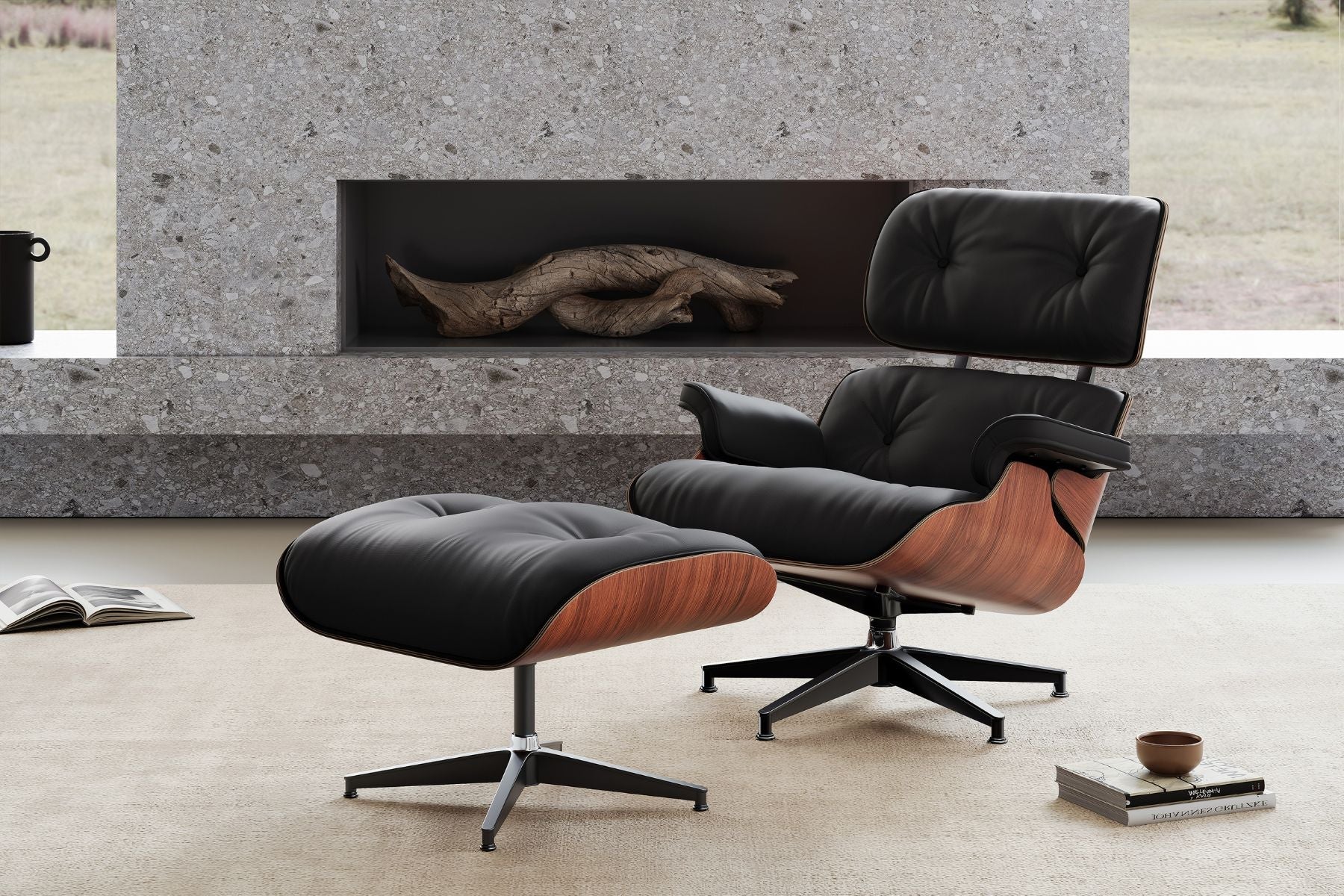
An accent chair has one job that's different from almost every other seat in your home: it's not there primarily for comfort or capacity, it's there to add visual interest. That single distinction changes how you should shop for one — and it's why an accent chair that "matches" your sofa perfectly often ends up looking flatter than one chosen to stand apart from it. Here's how to choose a chair that actually earns its place in the room.
Accent Chair vs. Armchair: What's the Difference?
These terms get used loosely, and there's no strict industry rule separating them, but the general distinction is useful to know when you're shopping. An armchair is typically thought of as an everyday-comfort seat — often part of a living room's main seating group, sized and cushioned for regular, extended use, similar in role to a sofa. An accent chair is usually chosen first for style and visual contrast, often smaller in scale, and used more as a design statement piece than a primary spot to sit for hours. In practice, a lot of chairs blur the line — a well-built accent chair can absolutely be comfortable enough for regular use — but thinking about which role you need first (comfort-focused everyday seat, or style-focused accent) will narrow your search considerably.
Choose a Chair That Contrasts With Your Sofa, Not One That Matches It
It's a common instinct to look for an accent chair in the same fabric family or color as the sofa, assuming it will look more "put together." In practice, the opposite is usually true. A room where every seat matches tends to read as flat and showroom-like, whereas a chair that contrasts — in material, color, or shape — creates a visual focal point and makes the whole seating arrangement look more deliberately composed.
What Contrast Actually Means
Contrast doesn't mean clashing. It means choosing a different material or tone that still belongs in the same overall palette — a leather accent chair opposite a fabric sofa, or a bouclé chair against a leather sectional. The goal is a chair your eye actually notices and rests on, rather than one that blends into the rest of the seating and disappears.
Get the Scale Right for the Room
Because an accent chair often sits somewhat apart from the main seating group — in a corner, next to a window, flanking a fireplace — its scale needs to work both against the room and against whatever it's paired with. A large, deep-seated lounge chair can overwhelm a small nook, while an undersized chair can look lost in a large, open room or beside a substantial sofa. As a general guide, measure the space you have in mind before shopping and look at a chair's actual width and depth dimensions rather than judging scale from a photo alone — proportion is much harder to gauge from images than it is from a tape measure.
Leather, Fabric, or Bouclé: Where Each Fits
Material is one of the fastest ways to set the tone of an accent chair, and each option tends to suit a slightly different role in a room.
Leather for a Grounded, Structured Statement
A leather accent chair — particularly a lounge chair paired with a matching ottoman — brings a more structured, tailored look and tends to work well as a standalone design statement, especially opposite a fabric or bouclé sofa. Leather also tends to be a practical choice for a chair that will see genuinely regular use, since it holds up well to daily contact.

Shown: Aria Leather Lounge Chair & Ottoman
Fabric for Warmth and Softer Color
A fabric accent chair opens up a much wider range of colors and patterns than leather typically offers, which makes it a good option when you want the chair to introduce a specific tone or softness into the room — a muted sage, a warm terracotta, or a soft neutral that leather can't easily replicate. Fabric also tends to feel slightly more casual and approachable, which can suit a bedroom corner or a family room better than a more formal leather piece.

Shown: Beatrice Fabric Accent Chair
Bouclé for Texture-First Rooms
A bouclé accent chair leans into texture rather than color or shape as its main visual interest, which makes it a strong fit for quieter, neutral-toned rooms where you want richness without introducing a bold pattern or saturated color. It tends to suit lighter, occasional-use spots best, since the looped texture isn't built for the heaviest daily wear.
Where to Place an Accent Chair
Placement is where an accent chair's purpose really comes through — it's rarely meant to be the default seat in the room, but rather a considered addition to a specific spot.
A Reading Nook
A single accent chair near a window or a good reading light, positioned slightly apart from the main seating group, creates a dedicated spot for a quieter activity and makes use of a corner that might otherwise go unfurnished.
Flanking a Fireplace
A pair of accent chairs on either side of a fireplace is one of the most classic placements, framing the fireplace as a focal point and creating a secondary, more intimate seating arrangement separate from the main sofa.
A Bedroom Corner
An accent chair in an underused bedroom corner adds a place to sit while getting dressed or reading before bed, and it's often the single easiest way to make a bedroom feel more finished without adding a large piece of furniture.
Frequently Asked Questions
What's the difference between an accent chair and an armchair?
An armchair is generally an everyday-comfort seat sized for regular, extended use as part of the main seating group, while an accent chair is chosen first for style and visual contrast and used more as a design statement piece.
Should an accent chair match my sofa?
Not necessarily. A chair that contrasts in material, color, or shape usually creates a stronger focal point than one that matches the sofa exactly, since an all-matching room can read as flat and showroom-like.
How do I get the scale right for an accent chair?
Measure the specific spot you have in mind and check the chair's actual width and depth dimensions rather than judging scale from a photo, since a chair that's right for a large room can look lost in a small nook and vice versa.
Which material should I choose — leather, fabric, or bouclé?
Leather suits a structured, tailored statement and holds up well to regular use; fabric opens up more color and pattern options and feels more casual; bouclé adds texture for quieter, neutral-toned rooms best suited to lighter, occasional use.
Shop This Post
Making the Final Choice
Choosing an accent chair comes down to being clear about its job in the room: contrast rather than match your existing seating, get the scale right for the specific spot you have in mind, and pick a material — leather, fabric, or bouclé — that fits both the look and the amount of daily use it will realistically get.
Browse our full range of accent chairs to find a piece that adds the right contrast and texture to your space.


